简体中文
简体中文 Deutsch
 日本語
日本語 한국어
한국어 Tiếng Việt
 Русский
 ไทย
ไทย Bahasa Indonesia
 Bahasa Melayu
 Filipino
 لالعربية
 Français
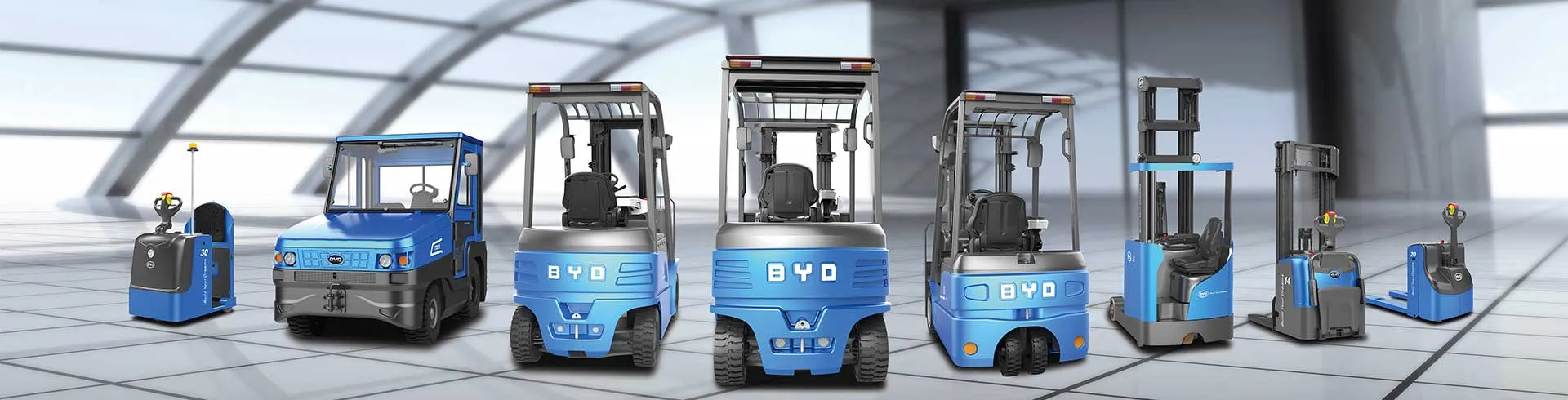
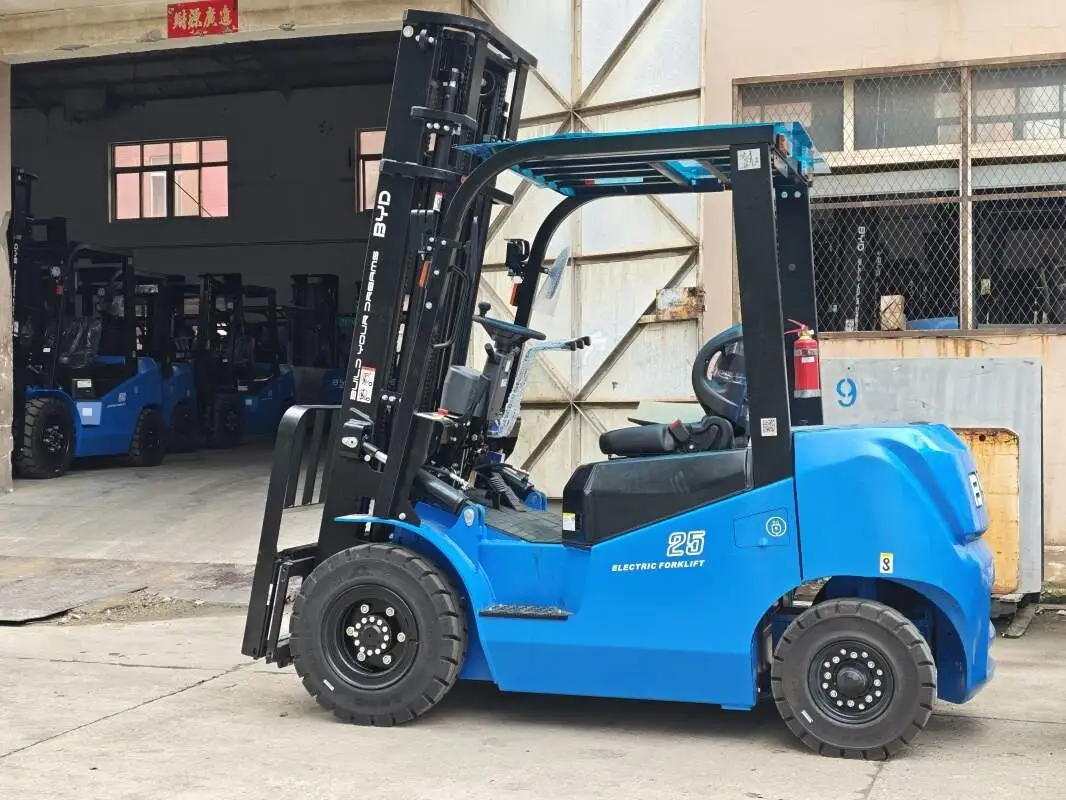
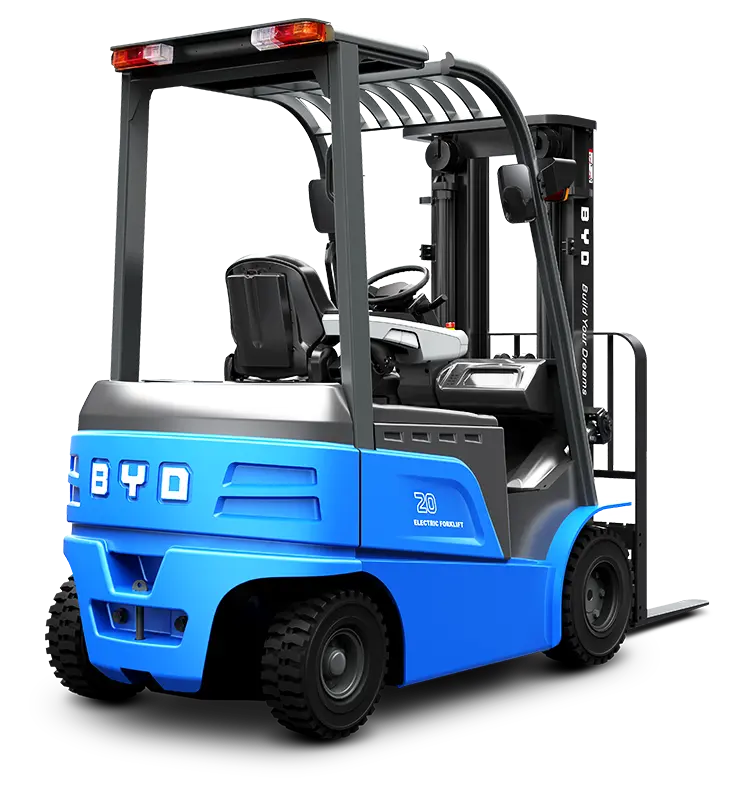
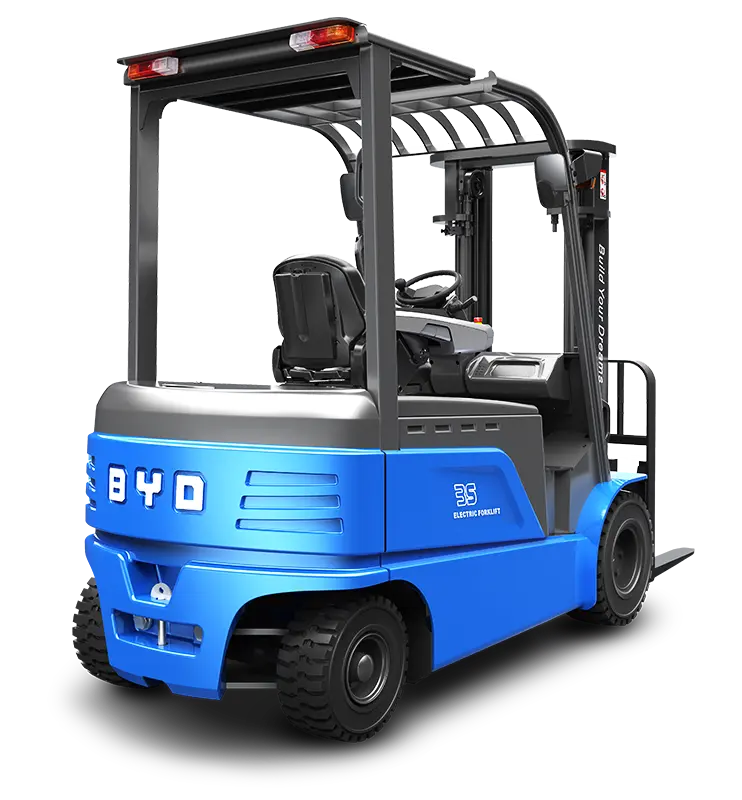
In short-distance handling scenarios such as warehousing and logistics distribution, 1-2.5-ton three-wheeled forklifts are widely favored for their flexible and compact characteristics. As the core power source, the selection of lithium batteries and lead-acid directly affects the operation efficiency and long-term cost, and needs to be reasonably selected in combination with actual scenarios.
For high-frequency operation scenarios where the daily operation time exceeds 8 hours and frequent starts and stops, lithium-ion three-wheeled forklifts are more suitable. Lithium batteries have fast charging capacity, generally 1-2 hours can replenish 80% of the power, which can adapt to shift operation needs without long downtime waiting for charging; at the same time, lithium batteries have a longer cycle life, and the number of cycles can reach 3-5 times that of lead-acid batteries. The replacement cost under long-term use is lower, and daily maintenance only needs to check the battery status regularly, without cumbersome operations such as hydration and balanced charging, which can reduce equipment downtime for maintenance.
If the operation scenario is an intermittent operation with less than 4 hours of daily operation and low handling load, the lead-acid tricycle forklift is a more cost-effective choice. The initial procurement cost of lead-acid batteries is much lower than that of lithium batteries. For scenarios with low operating intensity, its cycle life can basically meet the needs of 3-5 years, and the maintenance parts are easy to obtain, and the maintenance cost is low. It is suitable for small warehouses or self-employed people with limited budgets and low battery life requirements.
In cold storage, food warehouses, medical warehouses and other indoor closed and environmentally demanding scenarios, lithium-ion three-wheeled forklifts are more suitable. Lithium batteries do not emit acid mist during operation, which will not pollute the storage environment and will not affect the sensitive goods stored. At the same time, lithium batteries have a wider range of operating temperature adaptability and can still maintain good discharge performance in low temperature environments, while lead-acid batteries have a significant capacity attenuation in low temperature environments, making it difficult to meet the operating requirements of cold storage and other scenarios.
For scenes with outdoor open-air and complex operating environments, comprehensive consideration can be made in combination with the charging facilities. If the charging conditions of the site are limited, the charging threshold of the lead-acid tricycle forklift is lower, and the ordinary civilian power supply can meet the demand, and the battery cost is low, and the replacement cost after accidental damage is also lower. However, if outdoor operations also have high-frequency requirements, the weather resistance and battery life stability of lithium batteries are still more advantageous. It is recommended to prioritize the configuration of suitable charging facilities to choose lithium batteries.
In short, the selection of lithium batteries and lead-acid for 1-2.5-ton three-wheeled forklifts needs to combine the three core dimensions of operating frequency, operating environment and budget cost, and adapt to their own operating needs as the core criterion to achieve the optimal balance of equipment efficiency and cost.