简体中文
简体中文 Deutsch
 日本語
日本語 한국어
한국어 Tiếng Việt
 Русский
 ไทย
ไทย Bahasa Indonesia
 Bahasa Melayu
 Filipino
 لالعربية
 Français
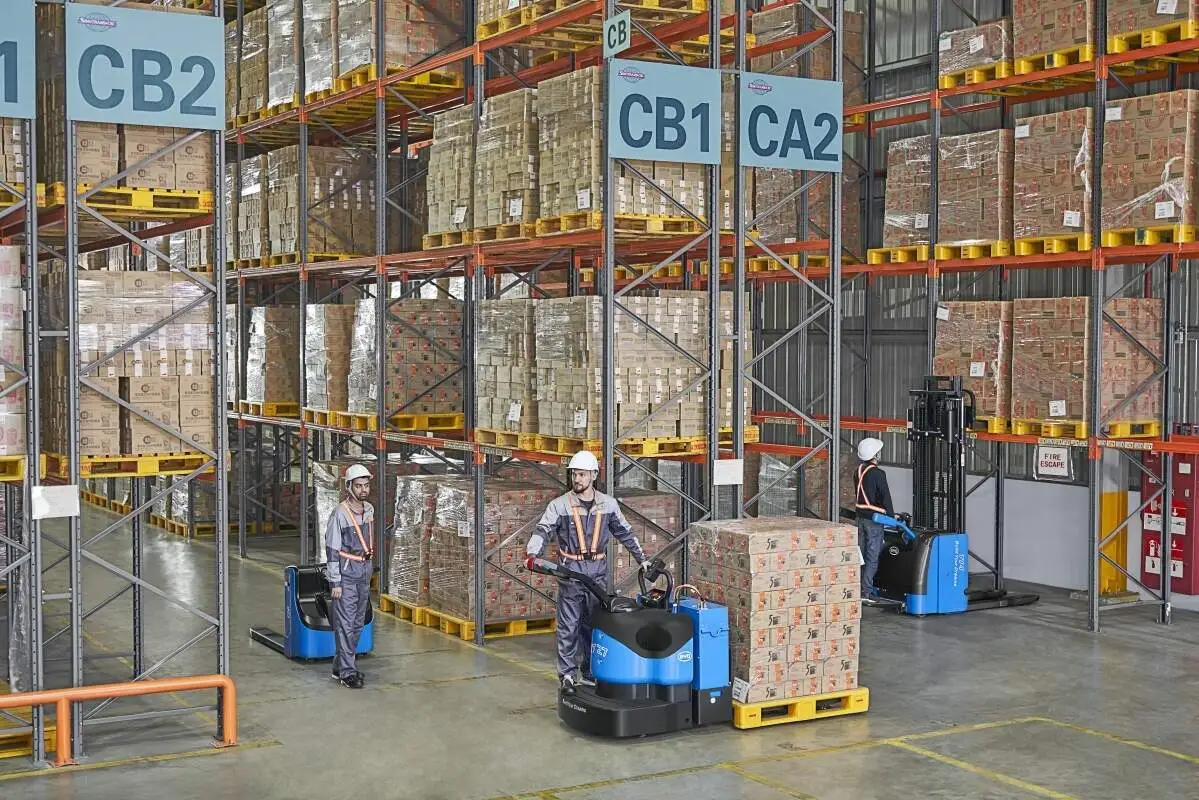
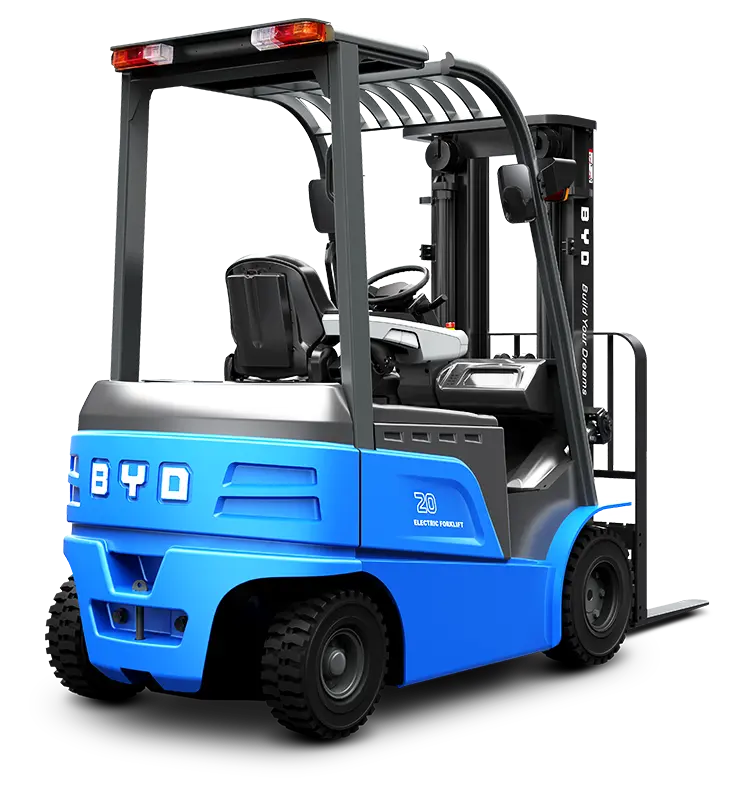
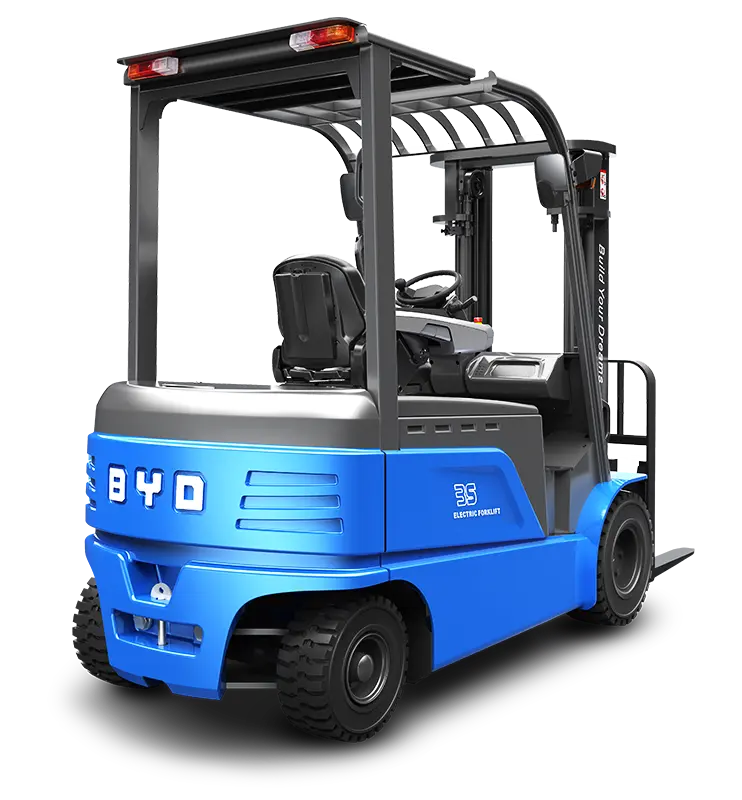
Small workshops with narrow passageways have become a typical difficulty in warehousing operations due to their compact space and dense shelves, especially in the turning process of forklifts. A little carelessness will collide with the shelves and block the passage, affecting the operation efficiency. Three-point forklifts have become common equipment in such scenarios due to their flexible steering characteristics, and the reasonable choice of turning radius is the core premise to give full play to their advantages.
Before selecting a model, it is necessary to accurately measure the actual space parameters of the workshop. Focus on the clearance size at right-angle turns, the minimum width of the main channel, and the reserved gap between the shelf and the channel. It should be noted that the nominal turning radius of the forklift refers to the minimum turning radius under no load. If it is driven with a load during actual operation, the turning radius will increase slightly. Therefore, a margin of 10% -15% should be reserved during measurement to avoid insufficient space.
Secondly, it is necessary to combine the load requirements of the operation scene. For three-point forklifts of different load classes, there are differences in body weight and size, and the corresponding turning radius will also be different. If the workshop focuses on light load picking operations, you can choose a light three-point forklift with a smaller turning radius; if you need to carry heavier goods, you must give priority to ensuring the load capacity of the forklift, and then match the appropriate turning radius to avoid sacrificing load performance due to excessive pursuit of small radius.
In addition, the shelf layout and operation frequency should also be considered. If the workshop shelf adopts a dense layout, it is necessary to frequently turn in narrow passages during operation, and a model with a smaller turning radius should be selected. At the same time, it is necessary to ensure that the steering system of the forklift is flexible and reliable. If the operation frequency is low and the channel reservation space is relatively sufficient, the turning radius requirements can be appropriately relaxed to balance the procurement cost and practicality of the equipment.
Finally, it is necessary to pay attention to distinguish the nominal turning radius of the forklift from the actual working radius. The nominal data of some products are measured under ideal conditions, and the actual operation will also be affected by factors such as ground flatness and the placement of goods. Therefore, when selecting a model, refer to the actual working radius data provided by the manufacturer and adjust it according to the actual situation of its own workshop to ensure that the forklift can complete various operations smoothly.