简体中文
简体中文 Deutsch
 日本語
日本語 한국어
한국어 Tiếng Việt
 Русский
 ไทย
ไทย Bahasa Indonesia
 Bahasa Melayu
 Filipino
 لالعربية
 Français
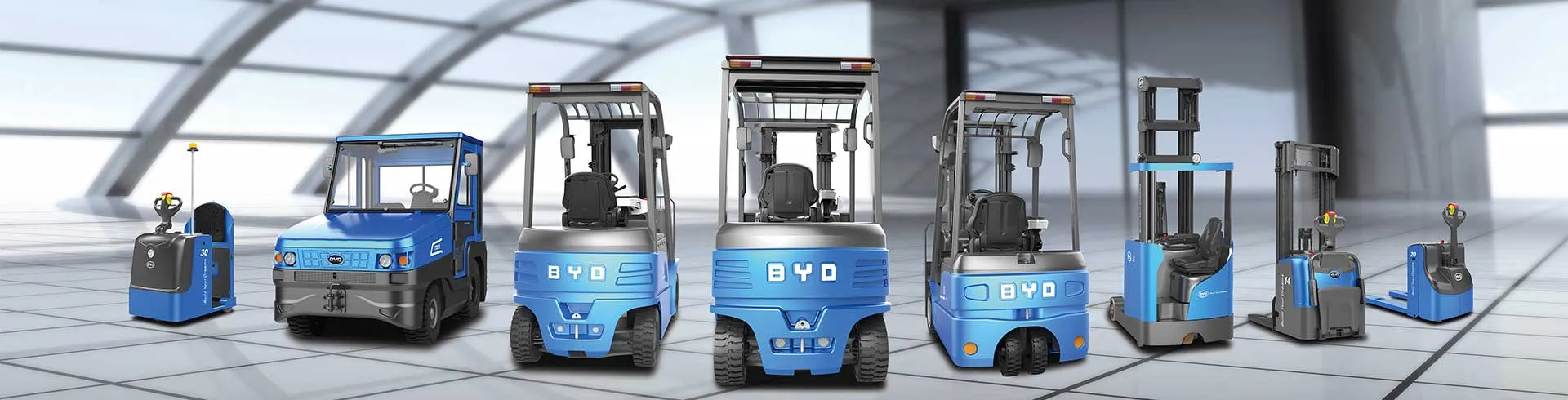
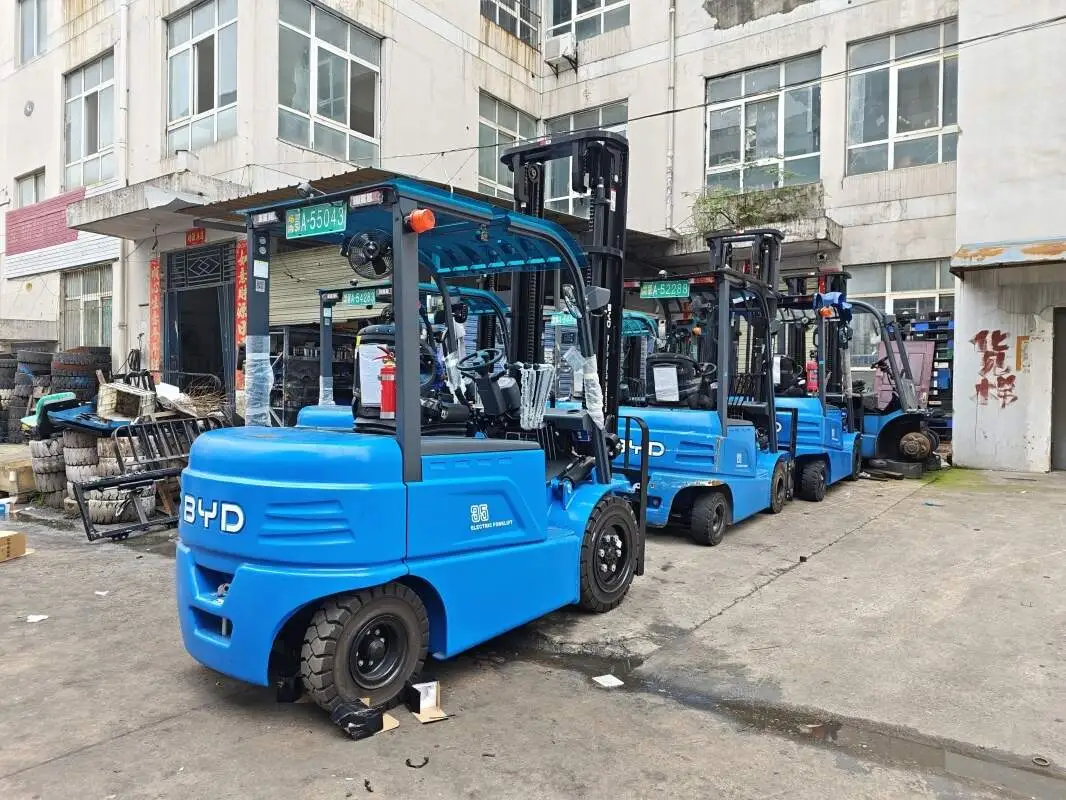
For companies planning to export three-point forklifts to European Union plants, clear and meet local certification requirements are the core prerequisites for smooth market entry. The European Union has developed a complete compliance system for industrial vehicles. Three-point forklifts need to pass a number of mandatory certifications and standard audits before they can legally enter the European Union market and put into plant operations.
First of all, CE certification is a mandatory entry mark for the European Union market. Three-point forklifts must meet the requirements of the European Union Machinery Directive 2006/42/EC. The directive aims to ensure the safety performance of mechanical products, covering the whole process of design, manufacture, installation and use. Forklifts are required to meet the standard in terms of structural strength, operation safety, protective devices, etc., to avoid safety hazards to operators and the surrounding environment in plant operations.
In addition to the mechanical directive, three-point forklifts are subject to the specific European standard EN 1757-1 for industrial forklifts. This standard specifies the specific requirements of forklifts in terms of stability, braking system, load capacity, field of view, and other key indicators. Enterprises need to pass the test of professional testing agencies to ensure that the performance of forklifts meets the standard values, and to ensure the stability and safety of cargo handling operations in the plant.
At the same time, the Electromagnetic Compatibility (EMC) Directive 2014/30/EU is also an important compliance item. European Union plants are usually distributed with various types of electrical equipment. Three-point forklifts need to have good electromagnetic anti-interference ability to avoid affecting peripheral equipment. At the same time, they are not subject to external electromagnetic interference. They need to pass EMC related tests and obtain qualified reports to ensure stable operation in complex plant electrical environments.
In terms of environmental protection, forklifts must comply with the European Union ROHS directive on the restriction of harmful substances to ensure that the content of lead, mercury, cadmium and other harmful substances in the product is within the allowable range; if the forklift is equipped with an internal combustion engine, it must also meet the relevant requirements of the European Union emission regulations to reduce the impact of exhaust emissions on the plant environment and personnel health.
In addition, companies need to prepare complete technical documents, including design drawings, test reports, instruction manuals, etc., and the instructions need to be provided in the official language recognized by the European Union, so that local users can operate and maintain the forklift accurately. Some European Union member states may have additional local compliance requirements, and companies need to know in advance and prepare accordingly.
Meeting the above certification requirements is not only a necessary condition for entering the European Union market, but also the key to ensuring the safe and stable operation of forklifts in the factory and maintaining the reputation of the enterprise brand. Enterprises should plan the compliance process in advance and select qualified testing agencies to carry out certification work to ensure that the exported three-point forklifts fully comply with European Union regulations and standards, and smoothly open the European Union plant equipment market.