简体中文
简体中文 Deutsch
 日本語
日本語 한국어
한국어 Tiếng Việt
 Русский
 ไทย
ไทย Bahasa Indonesia
 Bahasa Melayu
 Filipino
 لالعربية
 Français
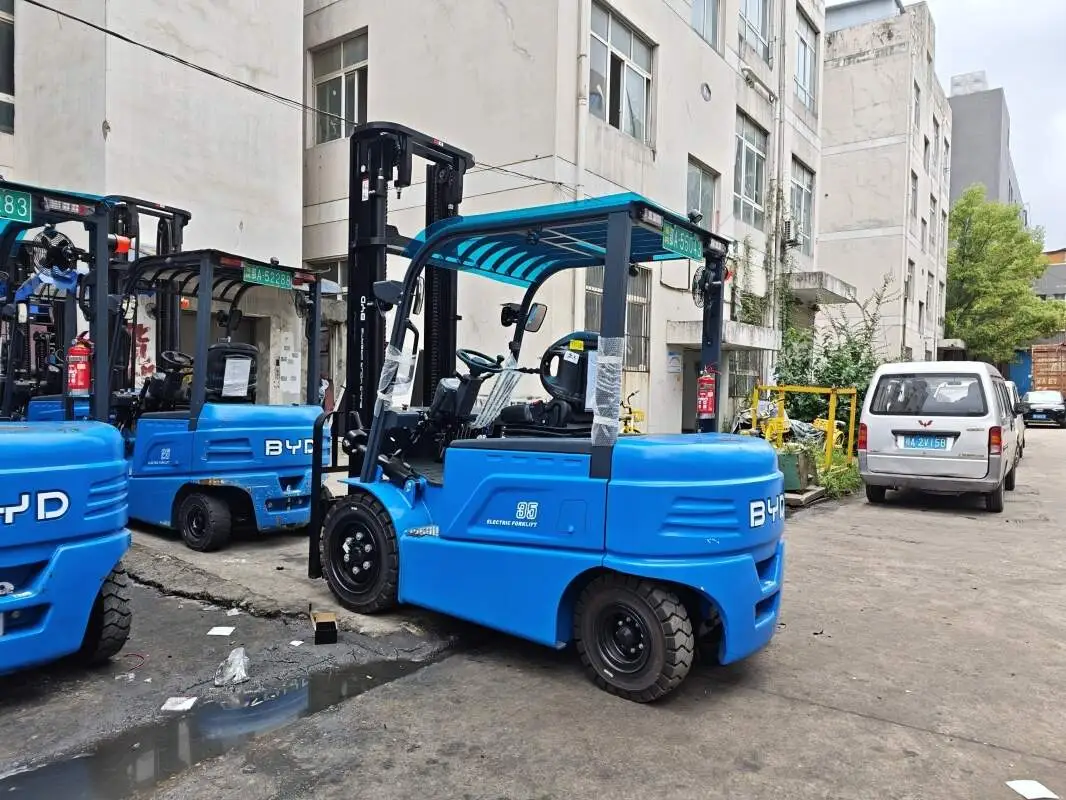
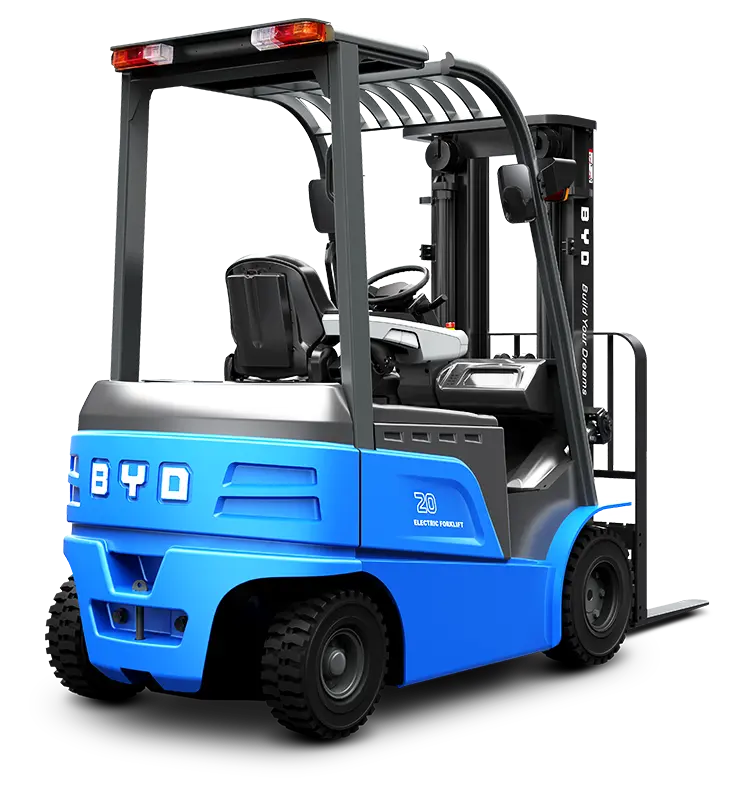
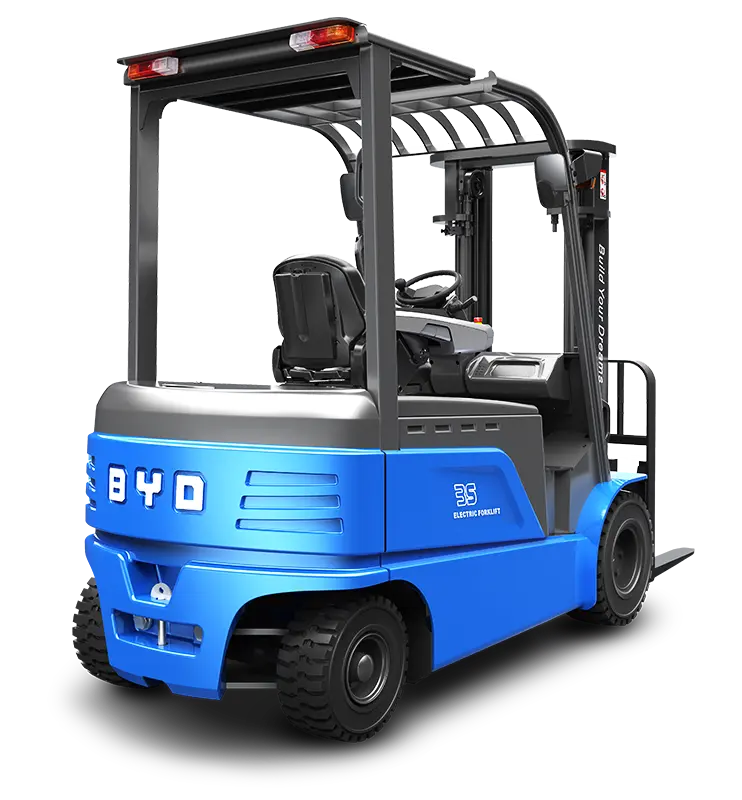
The operation stability and service life of electric forklifts are closely related to the rational selection and standardized use of grease. Scientific lubrication management can reduce component wear, reduce the incidence of failure, and improve equipment operation efficiency.
First, the main points of grease selection
1. Adapt to the working environment: If the forklift is operating in a high temperature environment for a long time, it is necessary to use grease with excellent high temperature resistance to avoid loss or deterioration of grease at high temperatures; in humid or dusty environments, grease with good water resistance and sealing should be preferred to prevent moisture and impurities from invading the parts.
2. Matching component load: For parts that carry a large load, such as the pins of lifting devices and the gears of traveling mechanisms, grease with strong extreme pressure resistance should be selected to ensure that an effective oil film can still be formed under high load conditions and reduce wear. For parts with lighter loads, such as the connecting rod pins of steering systems, grease with moderate base viscosity can be selected.
3. Consider low-temperature performance: forklifts operating in low-temperature environments should choose lubricating grease with good low-temperature fluidity to avoid solidification of grease due to low temperature, which will affect the normal operation of components.
Specifications for lubrication use in various parts
1. Steering system: Steering rods, steering axle pins and other parts need to be regularly filled with grease. Generally, check and replenish after every 500 hours of operation. When filling, it should be evenly applied to ensure that each pin can be fully lubricated to avoid steering cards due to insufficient lubrication.
2. Traveling mechanism: bearings and gear parts of driving wheels, driven wheels need to use extreme pressure and high temperature resistant grease. The replacement cycle is generally every 2000 hours. Before replacement, the old grease and impurities need to be cleaned to ensure that the new grease can fully cover the surface of the parts.
3. Lifting device: The chain of the fork rack and the pin shaft of the lifting cylinder should be checked for lubrication status before each operation, and the grease should be completely replaced after every 1000 hours of operation. When the chain is lubricated, the grease body needs to penetrate into the gap of the chain to ensure that each chain can be effectively lubricated.
4. Hydraulic system: For the sealing part of the piston rod of the hydraulic cylinder, grease that is compatible with the hydraulic oil should be selected to avoid the failure of the seal due to the reaction between the grease body and the hydraulic oil. Each time the hydraulic system is checked, grease should be added synchronously to ensure the lubrication effect of the sealing part.
During daily maintenance, it is also necessary to check the status of the grease regularly. If any grease is found to have deteriorated or mixed with impurities, it should be replaced in a timely manner. At the same time, according to the actual operating conditions of the forklift, the lubrication cycle should be adjusted appropriately to ensure that the equipment is always in a good lubrication state.