简体中文
简体中文 Deutsch
 日本語
日本語 한국어
한국어 Tiếng Việt
 Русский
 ไทย
ไทย Bahasa Indonesia
 Bahasa Melayu
 Filipino
 لالعربية
 Français
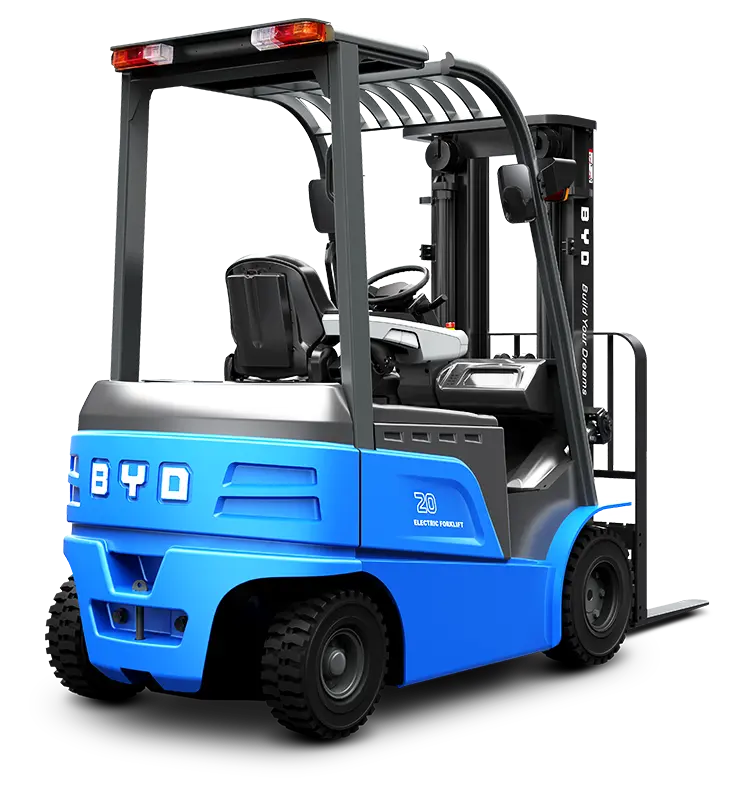
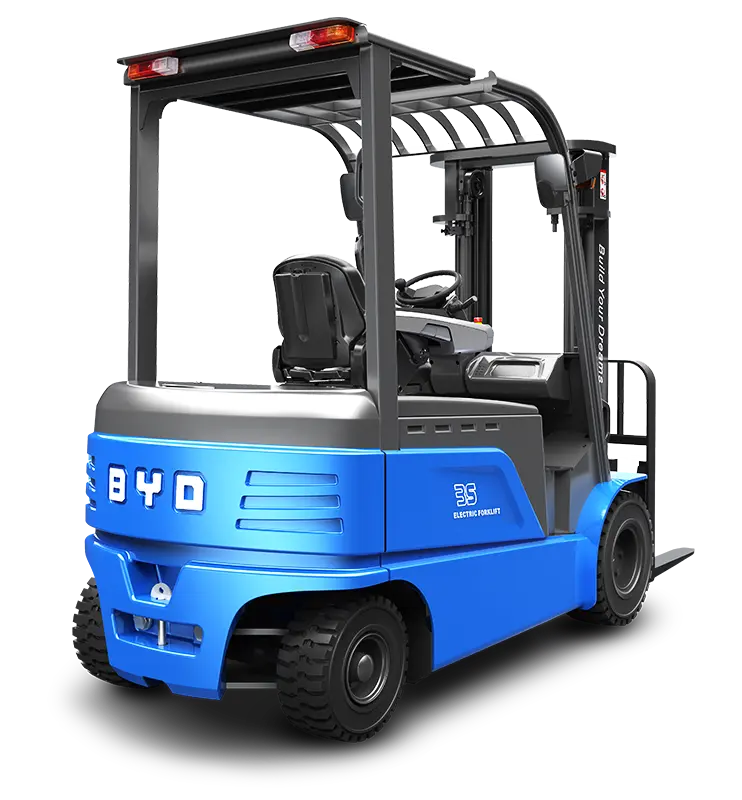
In the workshop intelligent handling scene, the navigation sensing system of the AGV intelligent forklift is the core component to ensure the accurate operation of the equipment and complete the task. Once a failure occurs, it will directly affect the production efficiency. Master the scientific troubleshooting and practical operation method, which can help the operation and maintenance personnel quickly locate the problem and solve it.
First, conduct a basic visual inspection. The operation and maintenance personnel need to turn off the power supply of the AGV equipment first, and check the appearance of various navigation sensors one by one: check whether the surface of the sensor is covered with dust, oil and other impurities, which may block the signal transmission or reception channel; check whether the mounting bracket of the sensor is loose or displaced, and the offset of the installation position will lead to the deviation of the sensing data; at the same time, pay attention to whether the cable connection of the sensor is firm, whether there are any signs of damage or fracture, and the cable failure often causes the signal transmission to be interrupted.
Secondly, conduct a preliminary function test. After restarting the AGV equipment, check the navigation sensor data through the control system that comes with the equipment to confirm whether the parameters are within the normal threshold range. Then start the low-speed practice running mode of the AGV in the open workshop area to observe whether the equipment can travel along the preset path and whether there are abnormal situations such as deviation, card, and misjudgment of obstacles. If there is an abnormality during practice running, the specific fault performance needs to be recorded to provide a basis for subsequent targeted investigation.
Then carry out targeted sensing type investigation. AGV sensors with different navigation modes have different key points: laser navigation AGVs need to check the cleanliness of the laser transmitter and receiver, test the emission intensity and reception sensitivity of the laser signal, and confirm whether the signal is blocked or disturbed; visual navigation AGVs need to check whether the camera lens is clean and the collected images are clear to ensure that the visual recognition module can accurately capture the navigation logo; magnetic stripe navigation AGVs need to check the fit between the magnetic stripe sensor and the ground magnetic stripe to confirm whether the magnetic stripe is worn or broken.
Finally, complete the fault verification and maintenance. After troubleshooting the fault point and repairing it, start the equipment again for the whole process practice run to confirm that the function of the navigation sensing system is back to normal. In daily operation and maintenance, it is recommended to clean and calibrate the sensor regularly to avoid failures caused by environmental factors and prolong the service life of the equipment.