简体中文
简体中文 Deutsch
 日本語
日本語 한국어
한국어 Tiếng Việt
 Русский
 ไทย
ไทย Bahasa Indonesia
 Bahasa Melayu
 Filipino
 لالعربية
 Français
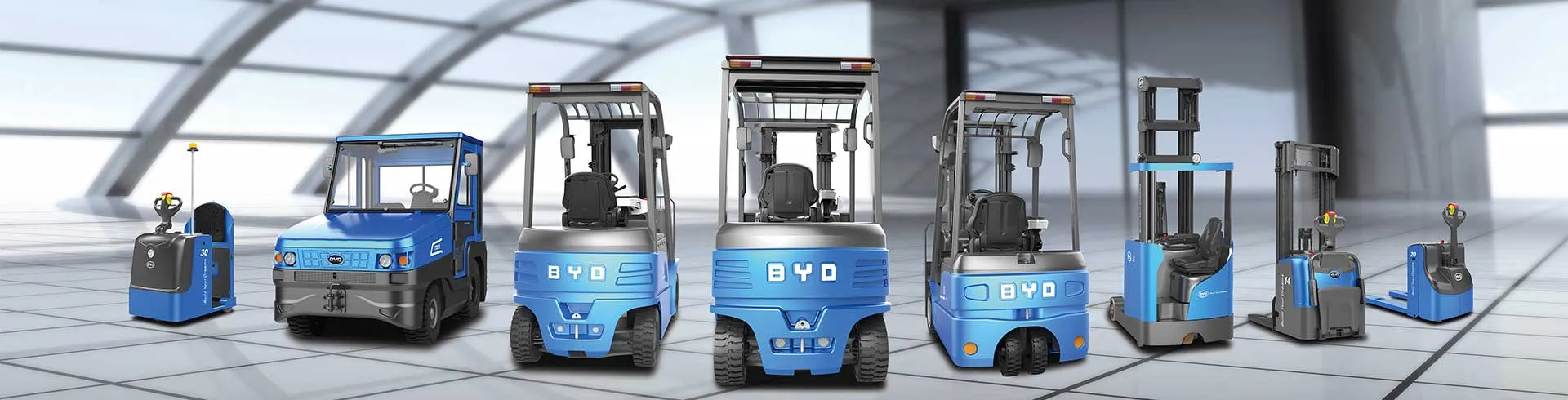
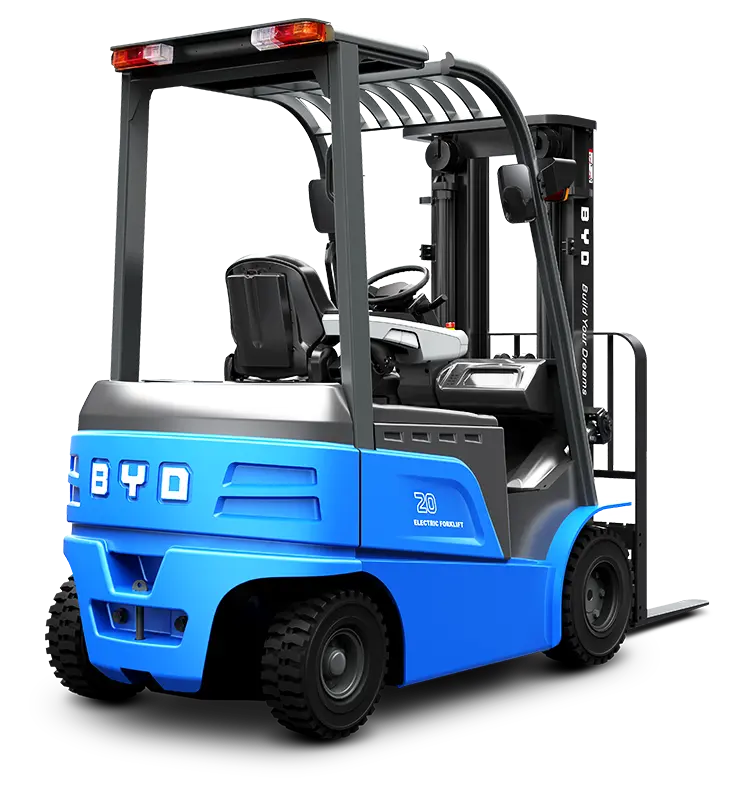
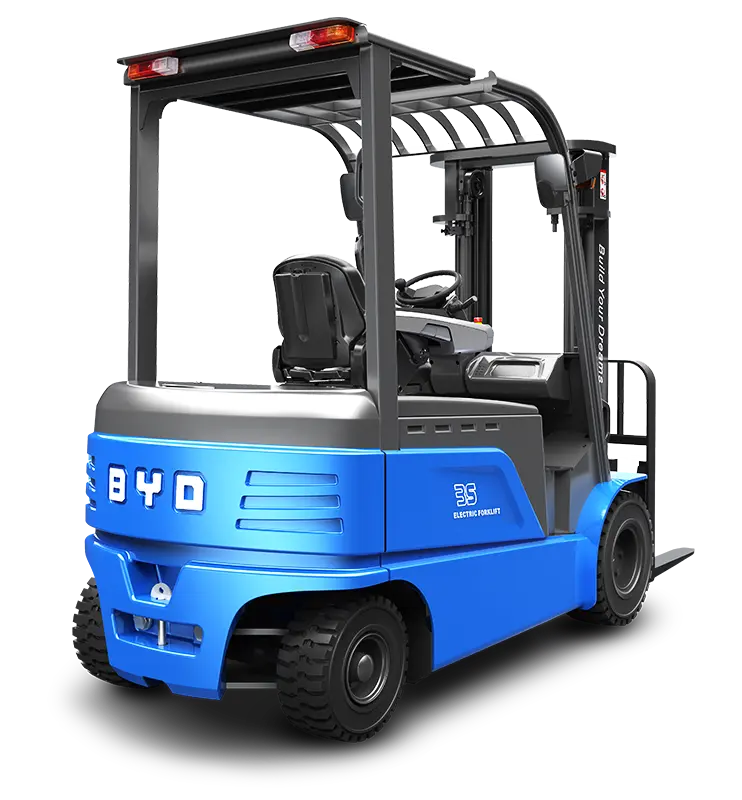
The small clothing processing plants in Europe, America and other regions are limited by site conditions, and the internal passages of warehouses and workshops are generally narrow. At the same time, they need to handle the handling of various types of materials such as rolled fabrics, boxed garments, and bagged accessories. Traditional handling equipment is often difficult to adapt to such complex scenarios. With its unique structural design, narrow-channel three-point forklifts have become a practical handling solution for such factories.
Adapting to narrow working spaces is one of the core advantages of narrow-channel three-point forklifts. Most European and American garment small processing plants are single-family small factories or leased sites. The width of the internal channel is usually between 1.5 and 2 meters. Conventional forklifts cannot pass smoothly due to the large steering radius. The three-point forklift adopts the structural design of front-wheel drive and rear-wheel steering. The steering radius is smaller, and it can flexibly complete the turning and U-turn operations in the narrow channel. There is no need to reserve additional operating space, maximize the use of limited site resources, and avoid channel congestion affecting the flow of materials.
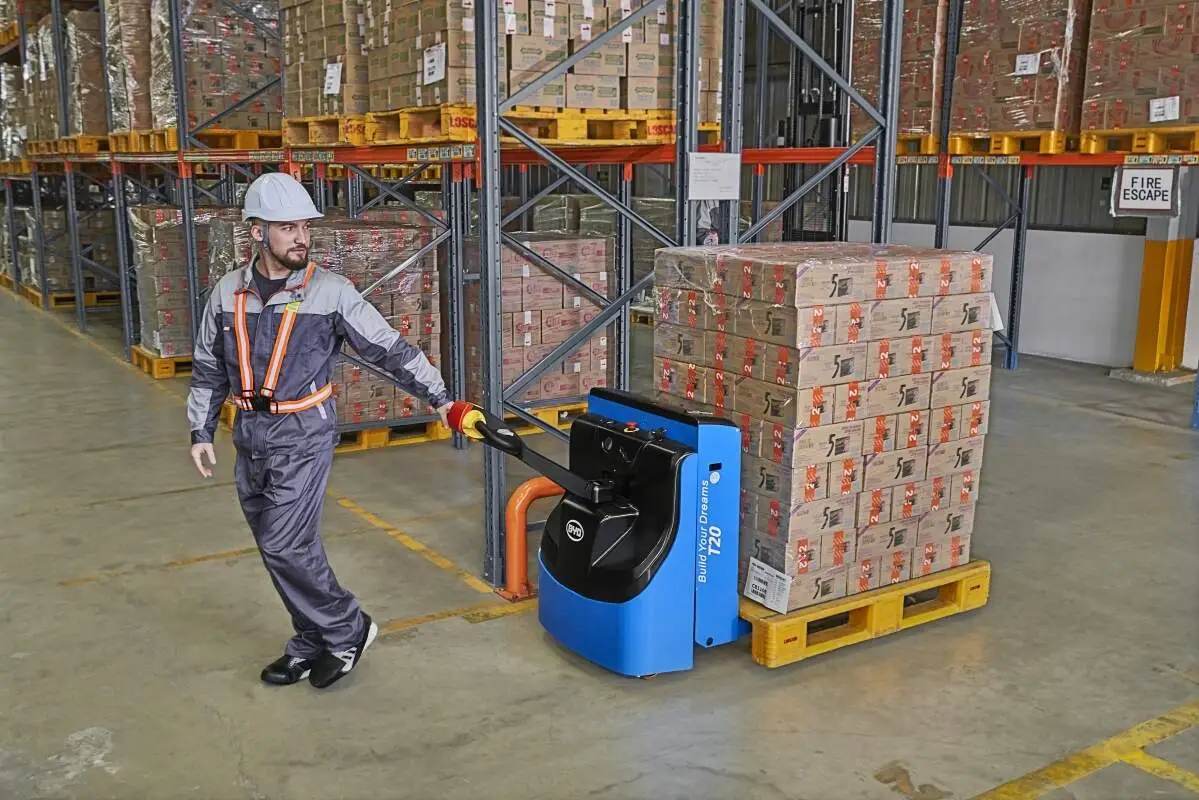
In response to the handling needs of multi-category materials in garment processing plants, narrow-channel three-point forklifts can also provide adaptation solutions. Different types of materials correspond to different storage and handling methods: rolled fabrics need to be placed on special pallets, box-packed garments use standard carton pallets, and bagged accessories are mostly stacked for storage. The three-point forklift is equipped with adjustable-width forks, which can safely cross all kinds of pallets. The lifting height can meet the shelf storage needs of most small warehouses. The single handling volume is moderate, which fits the logistics turnover rhythm of small factories and reduces unnecessary round trips.
In terms of work safety and environmental protection that European and American factories pay attention to, narrow-channel three-pivot forklifts are also suitable. Its electric drive mode has low operating noise and will not interfere with fine operations such as interior clipping and sewing in the workshop; zero emission characteristics meet the environmental protection requirements of Europe and the United States, avoiding the exhaust gas generated by fuel forklifts from polluting the workshop environment. At the same time, the compact fuselage design reduces the occupation of ground space, which is convenient for frequent round trips between the workshop and the warehouse, further improving the efficiency of material circulation.
In addition, narrow-channel three-point forklifts can also help small garment factories reduce operating costs. Compared with manual trucks, it can greatly reduce the physical burden of employees and reduce the risk of material damage during handling; compared with large forklifts, its purchase cost and daily maintenance costs are lower, which fits the budget range of small processing plants. The operation level is also relatively simple, and employees can become proficient after short-term training, reducing labor cost investment.
In the handling scenario of small clothing processing plants in Europe, America, and other regions, the narrow-channel three-pivot forklift, with its flexible, efficient, and environmentally friendly characteristics, accurately solves the actual pain points such as narrow venues and diverse materials, providing reliable logistics support for the daily operations of small clothing enterprises and helping to improve overall production efficiency.