简体中文
简体中文 Deutsch
 日本語
日本語 한국어
한국어 Tiếng Việt
 Русский
 ไทย
ไทย Bahasa Indonesia
 Bahasa Melayu
 Filipino
 لالعربية
 Français
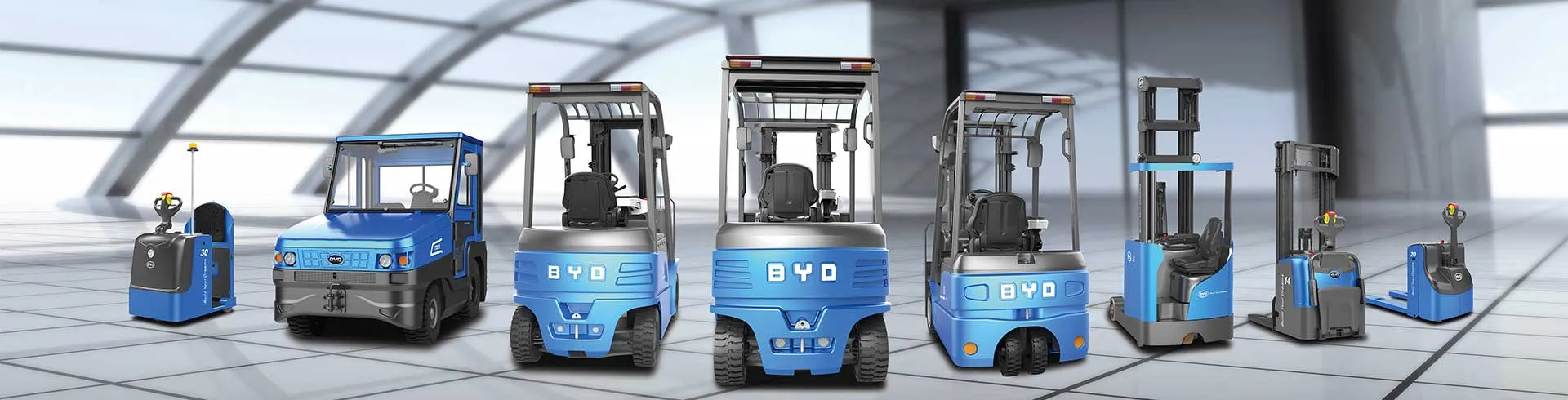
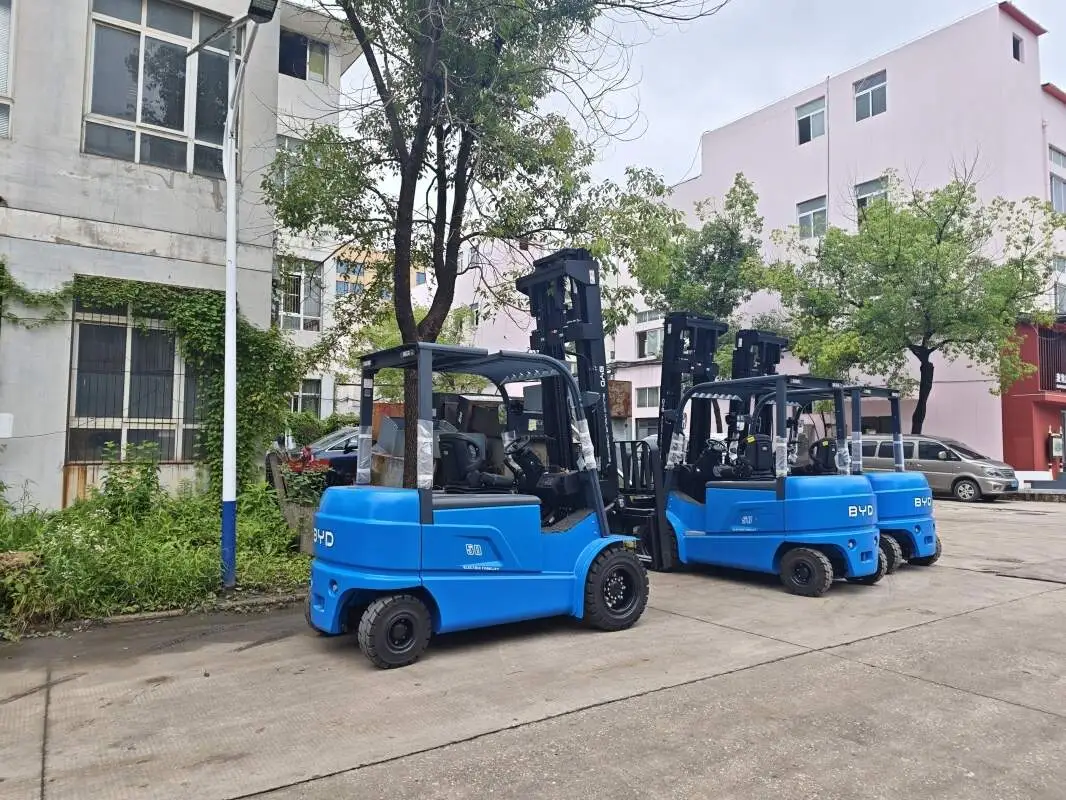
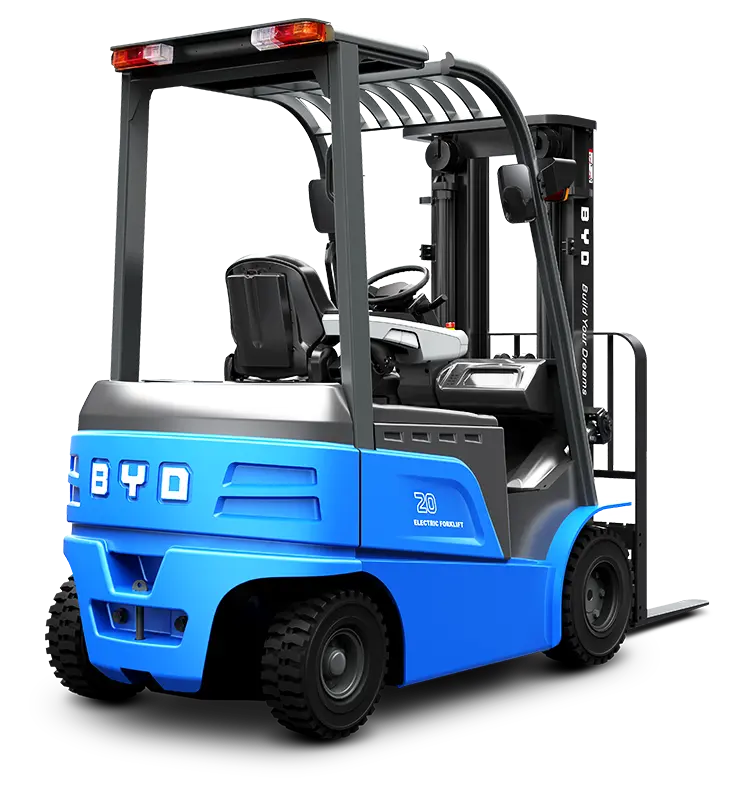
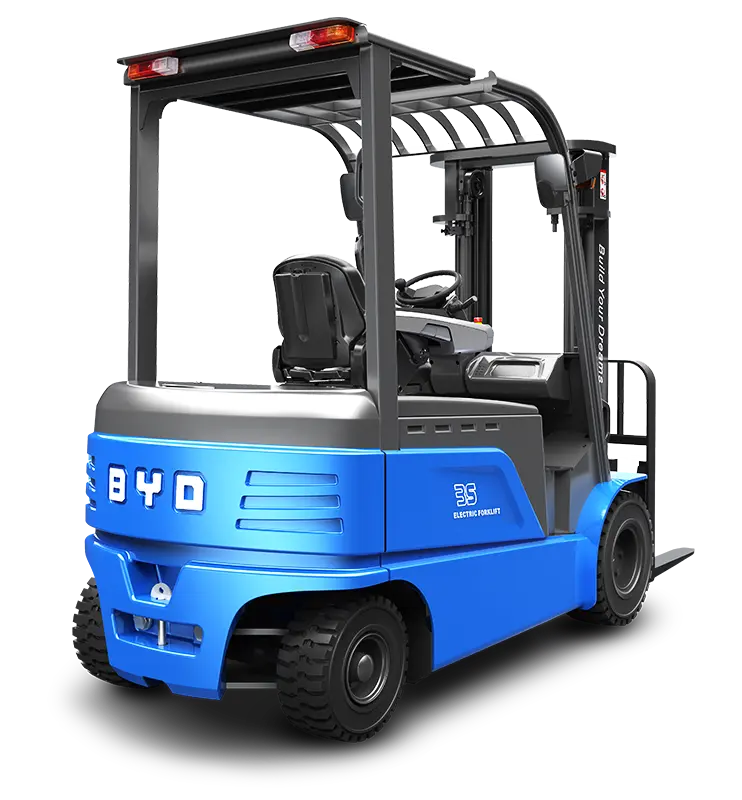
In the operation scenario of a multi-storey bonded warehouse, due to the compact space layout and the need for cross-floor transshipment of goods, a small three-point forklift that can enter the elevator has become the core equipment to improve operation efficiency. When purchasing this type of forklift, it is necessary to consider the adaptability from multiple dimensions according to the actual characteristics of the warehouse.
The first is the accurate matching of size adaptability. The elevator space of multi-storey bonded warehouses is usually limited. When purchasing, it is necessary to measure the inner space length, width and height of the elevator and the size of the door in advance to ensure that the length, width and height of the forklift are within the elevator's accommodating range. At the same time, focus on the minimum turning radius of the forklift to ensure that it can be flexibly turned in and out of the elevator. In addition, the height after the door frame is raised should also be considered to avoid space restrictions when entering and leaving the elevator or working on the floor due to the high door frame.
Secondly, it is a reasonable combination of load and lifting height. According to the conventional weight of the goods in the bonded warehouse, choose the forklift of the corresponding load class to avoid insufficient load affecting the operation or waste of resources caused by excess load. At the same time, combined with the height of the floor shelves of the warehouse, determine the maximum lifting height of the forklift, not only to meet the access needs of the highest shelves, but also to ensure that the operation in the elevator will not be hindered by excessive height.
Furthermore, the adaptation of battery life and charging conditions is also crucial. Multi-layer bonded warehouses have high operation frequency and long time-consuming cross-floor transshipment. The battery life of forklifts needs to cover the whole day's operation time to avoid power outages affecting the process. At the same time, combined with the layout of charging facilities in the warehouse, priority should be given to models with suitable charging efficiency. If the charging area of the warehouse is limited, forklifts that support fast charging mode can be considered to reduce charging waiting time.
In addition, the handling flexibility and safety configuration cannot be ignored. The three-point forklift itself has the advantage of flexible steering, but it still needs to pay attention to its handling feel in narrow passages and elevators, and give priority to models with light steering and accurate operation to reduce the operation intensity of the operator. At the same time, the forklift needs to be equipped with perfect safety configuration, such as anti-tipping devices, emergency braking systems, sound and light warning equipment, etc., to meet the safety operation requirements of bonded warehouses and avoid cargo collisions or personnel safety hazards.
Finally, it is recommended to conduct a field test before purchasing, drive the forklift into the warehouse elevator and the operation area to simulate the operation, verify whether its size, handling, etc. are fully adapted, and ensure that the purchased forklift can truly meet the operation requirements of the multi-layer bonded warehouse.