简体中文
简体中文 Deutsch
 日本語
日本語 한국어
한국어 Tiếng Việt
 Русский
 ไทย
ไทย Bahasa Indonesia
 Bahasa Melayu
 Filipino
 لالعربية
 Français
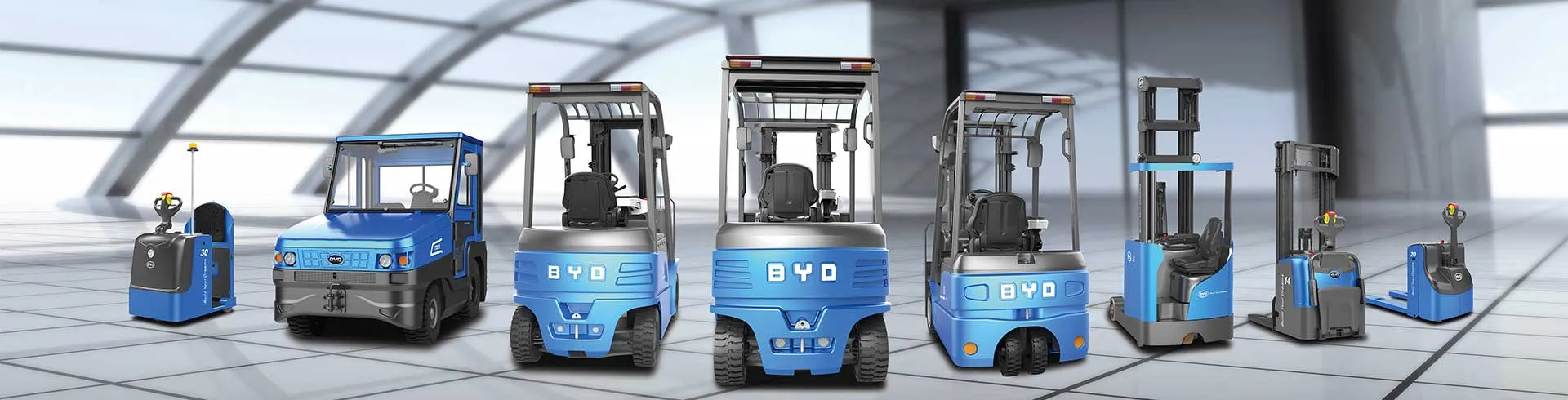
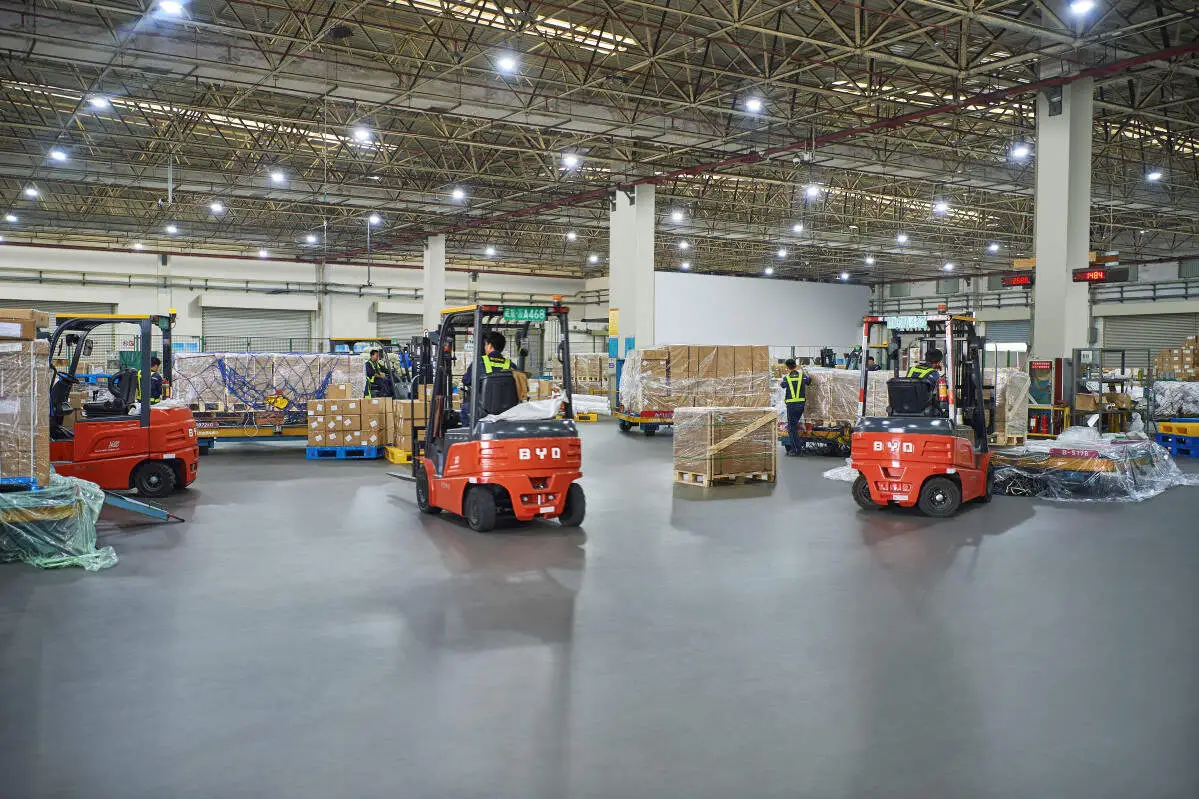
Small manufacturing workshops in many European countries generally have pain points such as narrow operating space, strict environmental protection requirements, and fine operation scenarios. Traditional fuel forklifts are difficult to adapt due to their bulky size and substandard emissions. Lithium-ion three-point forklifts have become the preferred direction for export adaptation due to their flexible structure and green attributes.
The export plan for the European market first focuses on the optimization of space adaptation. The lithium-ion three-point forklift adopts a unique three-point support structure, which greatly reduces the turning radius, and can flexibly shuttle between narrow passages and dense stations in the workshop to avoid space waste and collision risks caused by excessive body size. At the same time, according to the layout characteristics of different workshops, the height and width parameters of the body can be fine-tuned to further meet the needs of limited working space.
The second is compliance adaptation. The scheme strictly follows the environmental regulations and safety standards of the European Union and European countries, uses lithium-ion power systems to achieve zero emissions, and meets local environmental protection requirements for industrial vehicles. At the same time, it completes configuration adjustments in accordance with European Union CE certification and other access standards, including installing safety protection devices that meet specifications and improving vehicle identification systems to ensure smooth customs clearance and compliance.
Localized operation and maintenance support is also a core part of the plan. Build a spare parts storage network covering major regions in Europe to provide customers with quick replenishment services and reduce downtime due to missing spare parts. Equipped with a remote monitoring system, it can monitor the power and operating status of the forklift in real time, troubleshoot potential faults in advance, and reduce operation and maintenance costs. In addition, customized training is carried out for local operators, covering operation specifications, daily maintenance, etc., to improve personnel operation proficiency and autonomous operation and maintenance capabilities.
Finally, the solution supports customization according to the actual needs of customers. Combining the cargo load requirements, operation frequency, battery life requirements, etc. of different workshops, adjust the load parameters and battery capacity configuration of the forklift to create an exclusive solution that fully fits the customer's production scene, helping small European manufacturing workshops improve operation efficiency and achieve green and sustainable production.