简体中文
简体中文 繁体中文
繁体中文 Deutsch
 日本語
日本語 한국어
한국어 Tiếng Việt
 Русский
 ไทย
ไทย Bahasa Indonesia
 Bahasa Melayu
 Filipino
 لالعربية
 Français
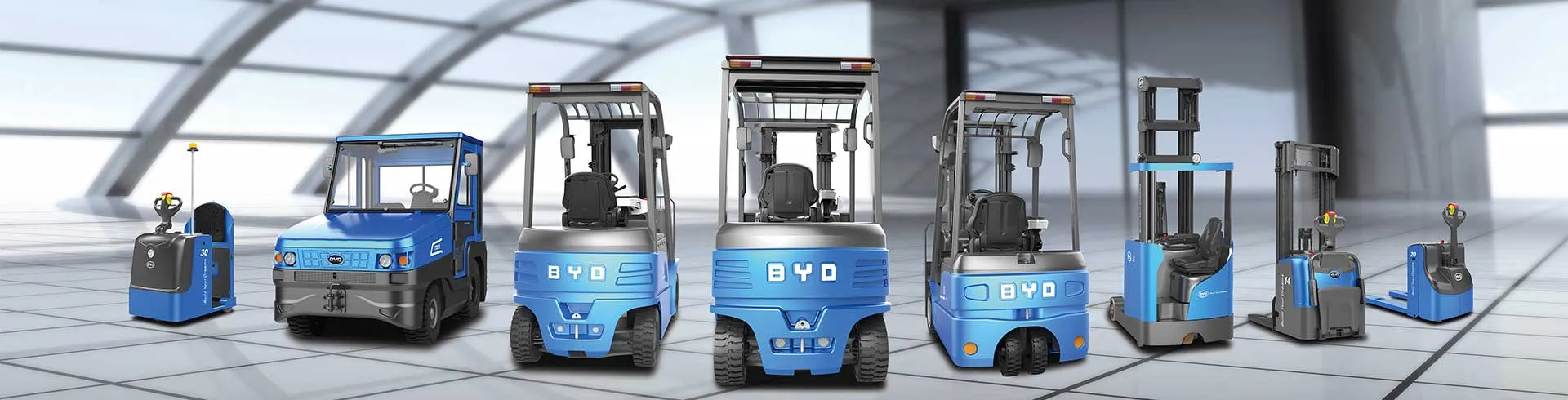
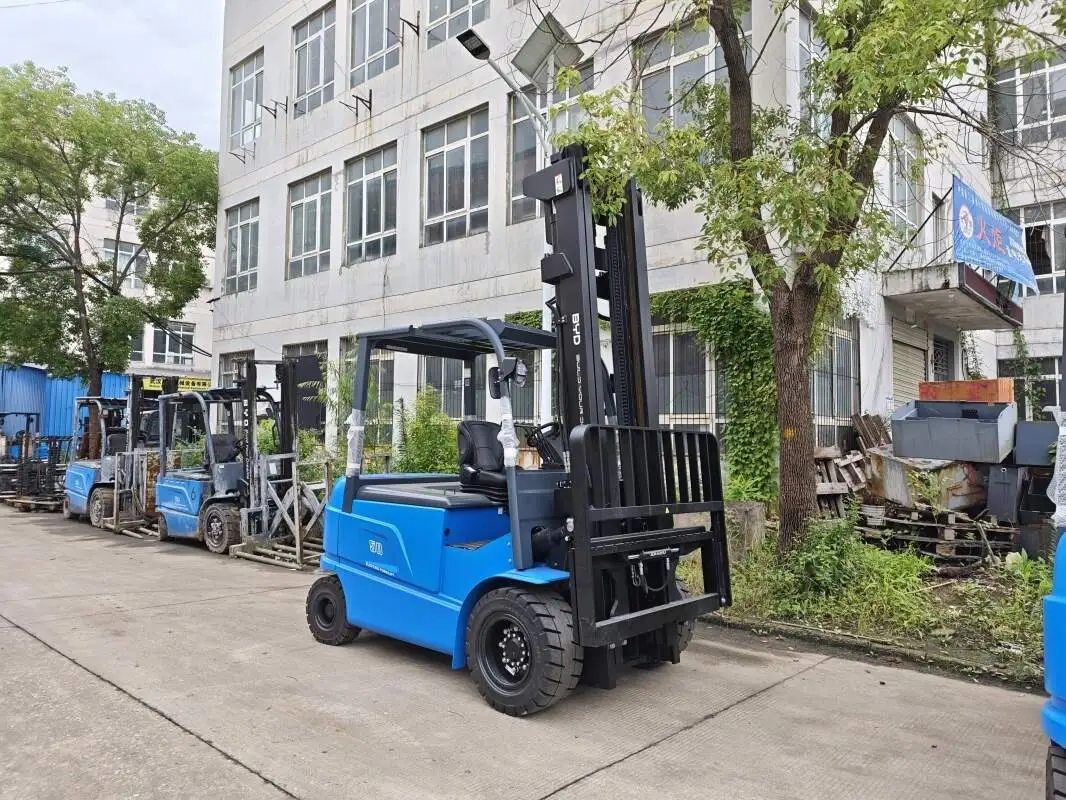
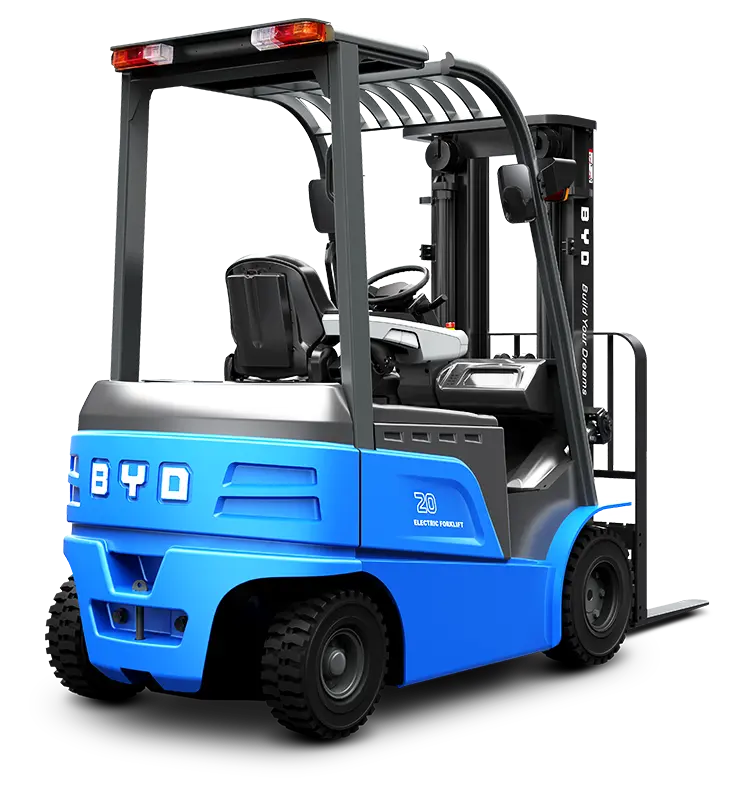
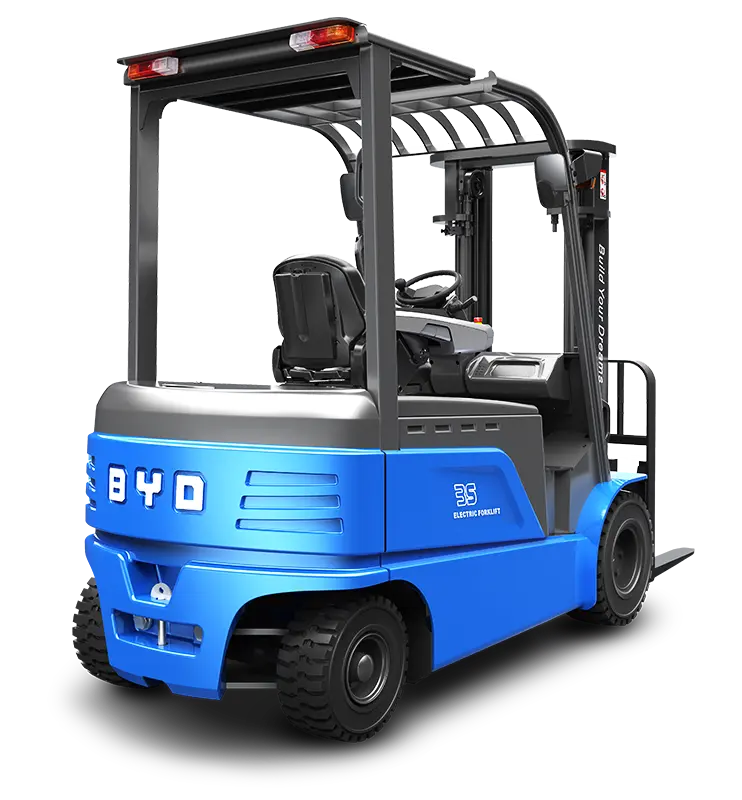
In the material handling scenario of a clean workshop, the selection of electric forklifts is directly related to the operation efficiency and workshop environment maintenance. Among them, three-point and four-point models are two common choices, which need to be considered one by one in combination with actual needs.
From the perspective of space adaptability, the structural design of the three-pivot electric forklift makes its turning radius smaller. In a clean workshop with narrow passages and multiple corners, it can flexibly complete steering and U-turn actions, effectively saving space occupation, and is suitable for workshops with compact layout and limited passage width. The wheel base and wheelbase of the four-pivot electric forklift are relatively larger, and the turning radius is also increased, which is more suitable for clean workshops with spacious passages and open working areas. It can maintain a more stable state when driving in a straight line.
In terms of stability, the four-point electric forklift relies on four support points to disperse the weight, and the center of gravity is more stable when carrying the load, especially when handling heavier materials or performing high-level stacking operations, which can reduce the risk of rollover and is suitable for clean workshops with heavy load handling needs. The center of gravity of the three-point electric forklift is relatively concentrated, which is more suitable for light-load or medium-load handling scenarios. If it is necessary to frequently carry out short-distance transfer of small-weight materials, its flexibility advantage will be more obvious.
The matching degree of the operation scene is also the key. If the operation in the clean workshop is based on frequent steering and multi-point material turnover, such as small material handling in the electronic component workshop, the flexible performance of the three-point electric forklift improves the turnover efficiency. For scenarios that require long-distance linear transportation and heavy material handling, such as batch material transfer in the pharmaceutical raw material workshop, the stability and load-bearing capacity of the four-point electric forklift can better meet the needs.
In addition, the cleanliness of both must meet the dust-free requirements of the workshop. When selecting a model, attention should be paid to the sealing design of the forklift to avoid dust leakage during operation. However, in terms of specific maintenance convenience, the structure of the three-point model is relatively simple, and the maintenance of some components is easier to operate. Due to the complex structure of the four-point model, more details need to be paid attention to during maintenance.
Overall, when selecting an electric forklift for a clean workshop, it is necessary to comprehensively judge the suitability of three-point and four-point models based on factors such as workshop space layout, material load requirements, operation frequency and route, in order to choose a more suitable handling equipment for the actual needs of the workshop.