简体中文
简体中文 Deutsch
 日本語
日本語 한국어
한국어 Tiếng Việt
 Русский
 ไทย
ไทย Bahasa Indonesia
 Bahasa Melayu
 Filipino
 لالعربية
 Français
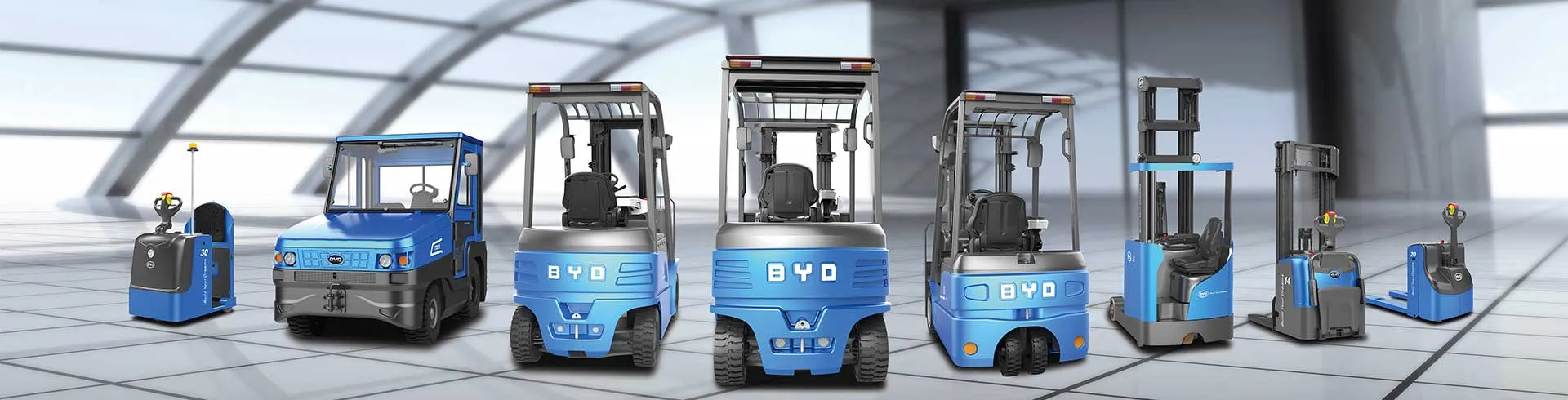
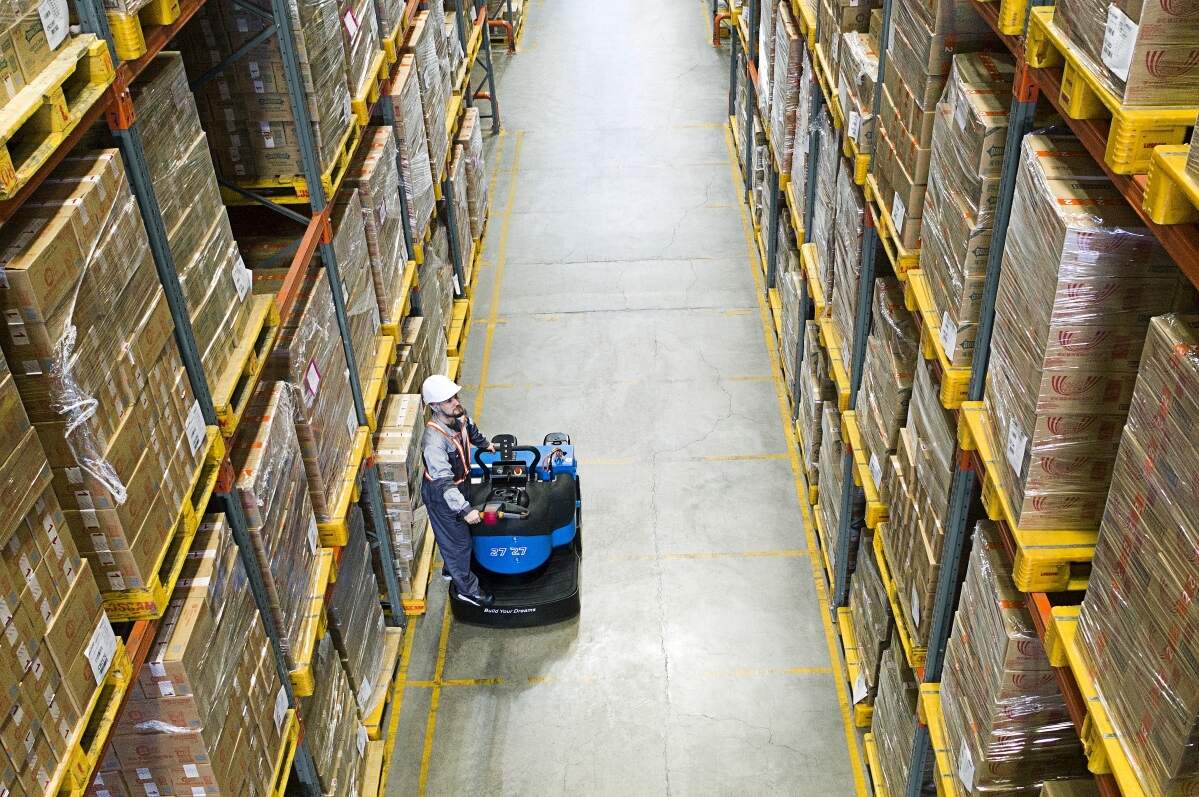
In the automated material handling scenario, AGV servo motors are the core power components, and their operation stability directly affects the overall efficiency and service life of the equipment. Lubricating grease, as the "blood" of the motor operation, can effectively reduce component wear, reduce operating noise, and improve heat dissipation efficiency. Therefore, it is crucial to master the correct adaptation method.
First, the selection basis for lubricating grease
Selection requires comprehensive judgment based on the actual operating scenarios of the motor: first, the working environment, if the motor is in a high temperature, humid or dusty environment, priority should be given to selecting grease with high temperature resistance, water resistance, and dust-proof sealing adaptability; secondly, load and speed parameters, heavy-duty and low-speed motors need to focus on the anti-wear bearing capacity of grease, while light-load high-speed motors need to take into account the fluidity and heat dissipation of grease; finally, the motor's own structure needs to be considered. Different types of bearings and sealing methods have differences in the compatibility of grease, and the corresponding characteristics of grease need to be matched.
Second, the requirements for the adaptation of lubricating grease
1. Viscosity grade: Choose the appropriate viscosity of oil according to the operating temperature range of the motor. In low temperature environments, low viscosity oil is preferred to ensure smooth start-up. In high temperature environments, high viscosity oil is required to maintain oil film stability.
2. Base oil type: Synthetic base oils offer better high and low temperature performance and oxidation resistance, making them suitable for long-term continuous operation or motors in extreme environments. Mineral base oils are suitable for conventional mild environments and offer high cost performance.
3. Additive configuration: Oil containing anti-wear, anti-oxidation, anti-rust and other targeted additives should be selected according to the needs of the motor to reduce component wear and prolong the service life of the oil.
III. Replacement cycle and operation precautions
The replacement cycle of lubricating grease needs to be determined in combination with the running time and the degree of environmental harshness. In conventional environments, replacement can be considered every 5000-8000 hours of operation, and in extreme environments, the cycle needs to be appropriately shortened. Before replacement, it is necessary to thoroughly clean the residual grease inside the motor to avoid the performance degradation caused by the mixing of different types of grease; when filling, it is necessary to control the dosage. Too much can easily cause overheating, and too little cannot form an effective oil film.
IV. Common adaptation misunderstandings need to be avoided
Many users have the misunderstanding of blindly choosing high-viscosity grease. In fact, high-viscosity grease will increase the running resistance of the motor, which will affect the efficiency. Some users ignore environmental factors and use ordinary grease in extreme environments, resulting in increased motor wear. The correct way is to combine the actual scene parameters and refer to the recommended standards of the motor operation manual for adaptation.