简体中文
简体中文 Deutsch
 日本語
日本語 한국어
한국어 Tiếng Việt
 Русский
 ไทย
ไทย Bahasa Indonesia
 Bahasa Melayu
 Filipino
 لالعربية
 Français
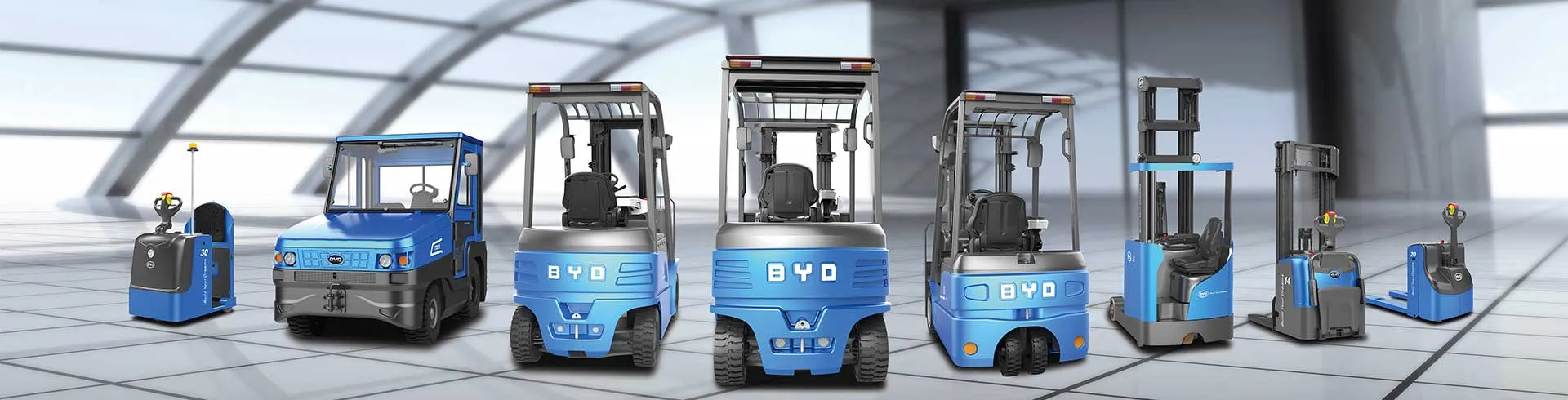
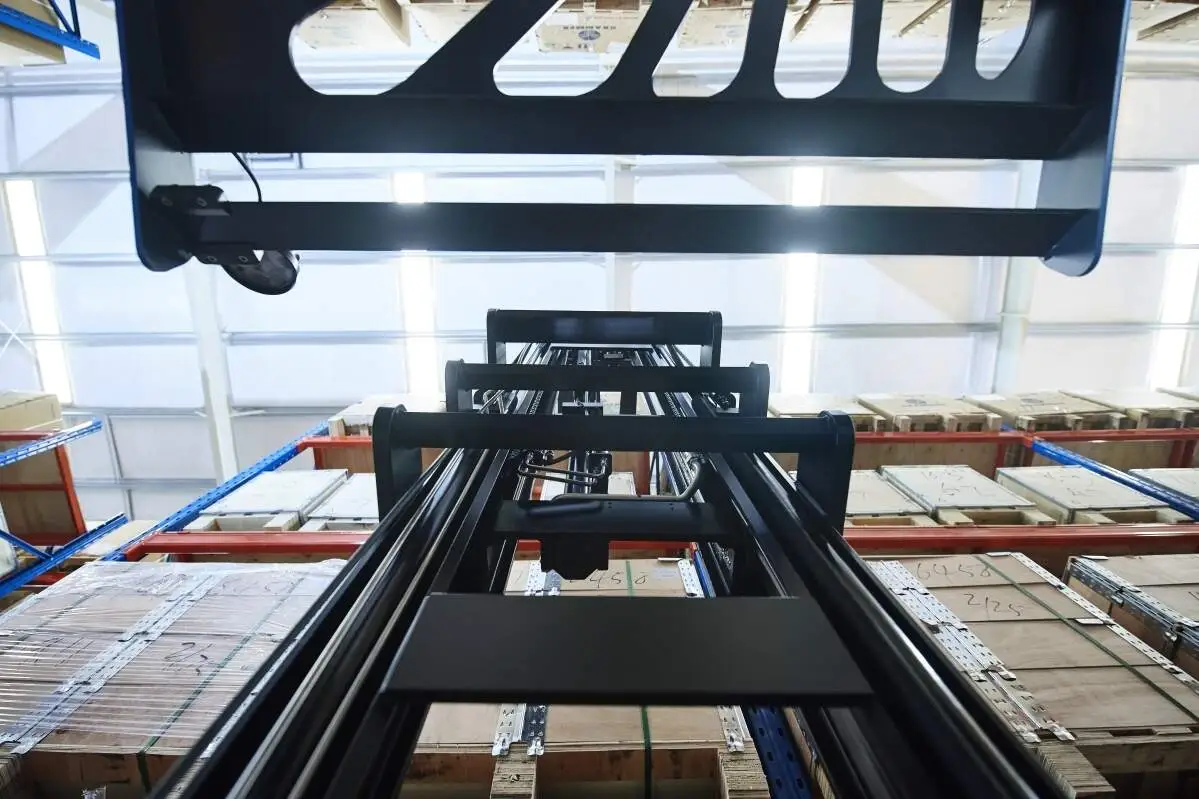
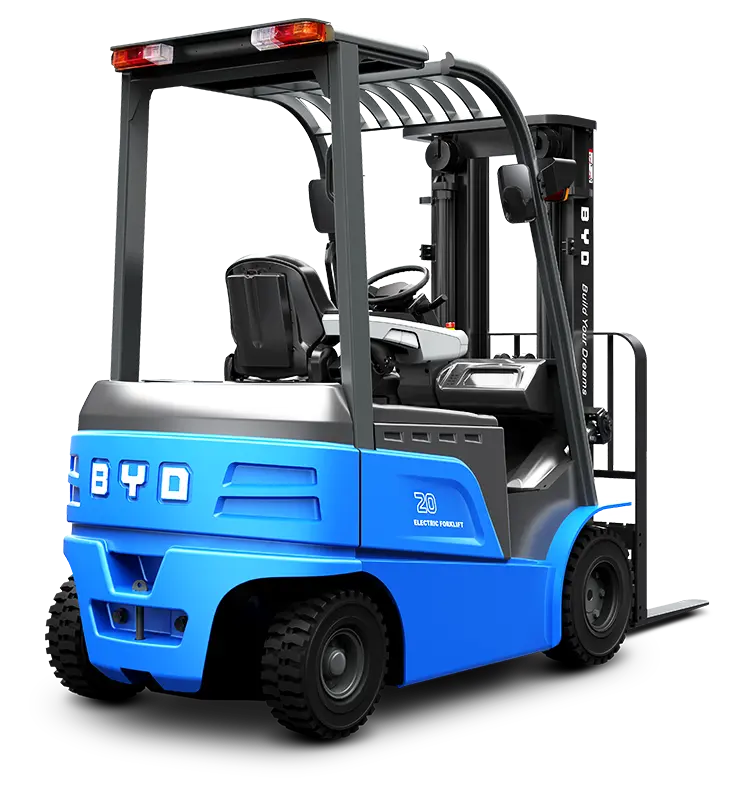
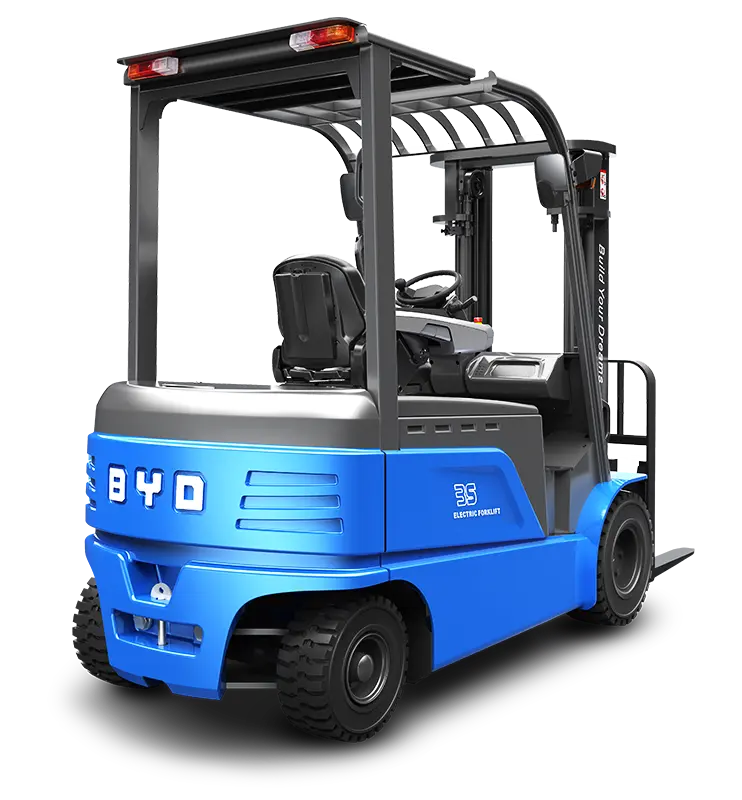
In the bonded cold chain storage operation scenario, the goods are mostly high-value and vulnerable fresh food, medical products, etc., which require high stability and low vibration of the handling equipment. The low-vibration three-pivot electric forklift is suitable for the narrow passages and cargo protection requirements of this type of storage due to its compact structure and shock absorption design. The following are the instructions for its standard use.
First, check the link before starting the machine
Before operation, it is necessary to confirm that the environment of the forklift meets the requirements of low temperature working conditions, and then check whether the battery power meets the needs of the day's operation to avoid power failure affecting the working rhythm of the bonded warehouse. At the same time, check the sensitivity of the braking system and whether the tire pressure is normal. Focus on checking whether the shock-absorbing parts of the forklift (such as shock-absorbing springs and buffer pads) are loose or worn to ensure that the low-vibration performance is in good condition. In addition, it is necessary to confirm that the fork is free of deformation and cracks to ensure that the goods are sturdy.
Operation process specification
When starting, it is necessary to slowly push the throttle to maintain a smooth start and avoid the shaking of goods caused by instantaneous acceleration. Due to the small turning radius of the three-pivot structure, it is suitable for the narrow passage of the bonded cold chain warehouse. However, when turning, it is necessary to decelerate in advance to control the steering amplitude to prevent the forklift from rolling or the displacement of goods. When forking goods, adjust the spacing of the forks to match the width of the bottom of the goods, and slowly lift the forks to make the goods leave the pallet smoothly. Avoid sharp rise and fall throughout the process. Relying on the low vibration design of the forklift to reduce the impact on vulnerable goods. Keep a safe distance from the shelves and personnel during driving, and strictly follow the operation line regulations of the bonded warehouse
III. Precautions for operational safety
Operating in a low temperature environment, it is necessary to briefly check the battery life and operating status every two hours to prevent the battery life attenuation caused by low temperature. When handling bonded goods, it is necessary to ensure that the goods are well packaged and stacked in accordance with the requirements of warehousing supervision. Overloading operations are strictly prohibited to avoid damage to the goods or forklift parts. If there is abnormal noise or vibration during the operation, the operation needs to be stopped immediately. After evacuating to the designated area, contact professional maintenance personnel. It is not allowed to disassemble and repair without permission in the bonded area.
IV. Key points of daily maintenance
After the daily operation, it is necessary to clean the condensate and stains on the surface of the forklift to prevent the parts from rusting in the low temperature environment. Check the wear degree of the shock absorption parts every week, and replace the aging buffer parts in time to maintain low vibration performance. The battery needs to be charged according to the specifications to avoid excessive charging and discharging. The charging time can be appropriately extended in the low temperature environment to ensure the service life of the battery. Comprehensive inspection of the flexibility of the brake and steering system every month to ensure the safety of the operation.
Standardized use of low-vibration three-point electric forklifts can not only improve the operation efficiency of bonded cold chain warehousing, but also effectively reduce the loss of goods and meet the compliance requirements of bonded warehousing.