简体中文
简体中文 Deutsch
 日本語
日本語 한국어
한국어 Tiếng Việt
 Русский
 ไทย
ไทย Bahasa Indonesia
 Bahasa Melayu
 Filipino
 لالعربية
 Français
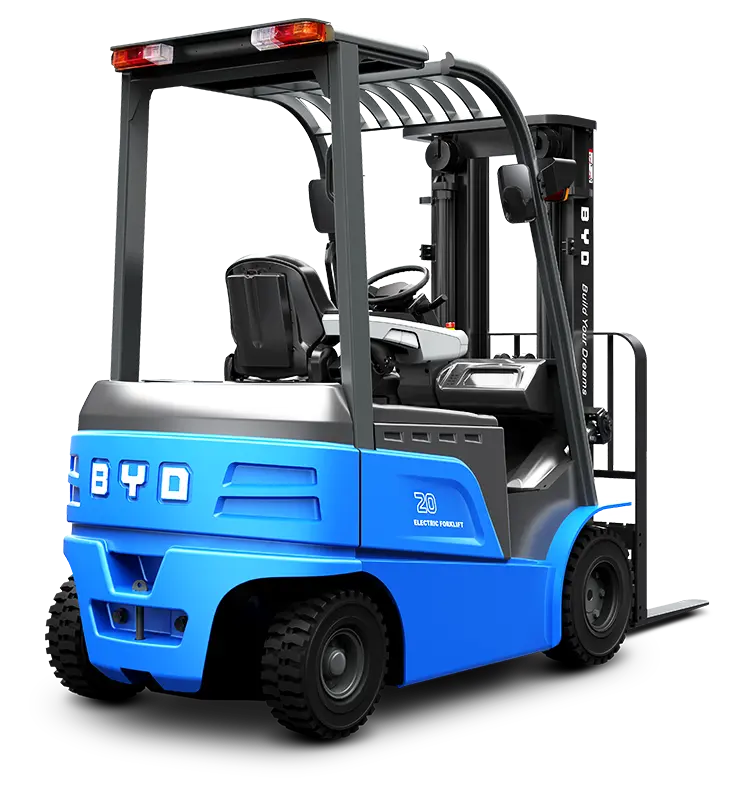
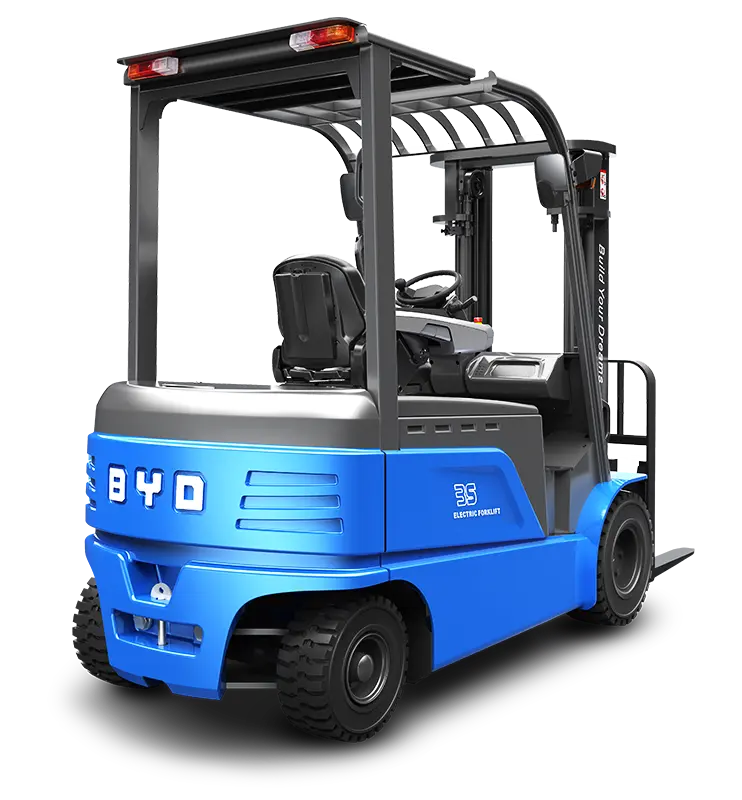
API clean warehouses have strict requirements on environmental cleanliness. As a common handling equipment, the daily maintenance of a 2-ton three-fulcrum electric forklift requires both equipment operation stability and warehouse cleanliness standards.
Daily cleaning and appearance inspection are the basic links. After each use, the forklift body, fork and chassis need to be wiped with a dust-free soft cloth to remove dust and material residues attached to the surface and avoid the spread of impurities in the clean area. At the same time, check the body shell and fork for deformation or damage. If any abnormalities are found, they need to be dealt with in time to prevent parts from falling off and polluting the warehouse environment. The surface of the battery needs to be cleaned regularly to keep it dry to prevent dust accumulation from causing circuit failure.
Electrical system maintenance requires attention to detail. Check the battery power before daily operation to ensure that it meets the handling needs of the day; for lead-acid batteries, it is necessary to regularly check the electrolyte level and replenish distilled water in a clean ventilated area to avoid electrolyte leakage and pollution of the environment. Check whether the line interface is firm and whether there are any signs of damage or aging. If the line is found to be exposed, it needs to be insulated in time. The surface of the controller needs to be kept clean to avoid dust accumulation affecting heat dissipation and ensure the stable operation of the electrical system.
Hydraulic system maintenance needs to take into account cleanliness and performance. Regularly check the hydraulic oil level. If it is lower than the standard scale, add hydraulic oil that meets the specifications. Pay attention to avoid impurities mixed in during the addition process. Observe whether there is leakage in the hydraulic pipeline. If oil leakage is found, it needs to be repaired in time to prevent oil from contaminating the warehouse floor and materials. Pay attention to the running status when operating the lifting mechanism. If there is a card or abnormal sound, check whether the hydraulic valve and oil cylinder are faulty, and debug or replace parts in time.
Walking and brake system maintenance are related to job safety. Check the degree of tire wear. If the tread pattern is too shallow or there are punctures, replace the tire in time to avoid leaving rubber debris on the clean warehouse floor. The braking system needs to regularly test the sensitivity, check the thickness of the brake pads, and replace them in time if the wear is serious. At the same time, check the brake fluid level to ensure reliable braking performance. The steering system needs to be flexible. Check whether the steering rod and joints are loose, and tighten the parts in time to ensure the accurate steering of the forklift.
Maintenance during the idle period cannot be ignored. When the forklift is idle, it needs to be parked in a designated clean storage area, covered with a dust cover to avoid dust adhesion. Regularly start the forklift to run for 10-15 minutes to check the operating status of each system and prevent parts from rusting. The battery needs to be replenished regularly to avoid long-term power loss affecting the service life and ensure that the forklift can be put into operation at any time.