简体中文
简体中文 Deutsch
 日本語
日本語 한국어
한국어 Tiếng Việt
 Русский
 ไทย
ไทย Bahasa Indonesia
 Bahasa Melayu
 Filipino
 لالعربية
 Français
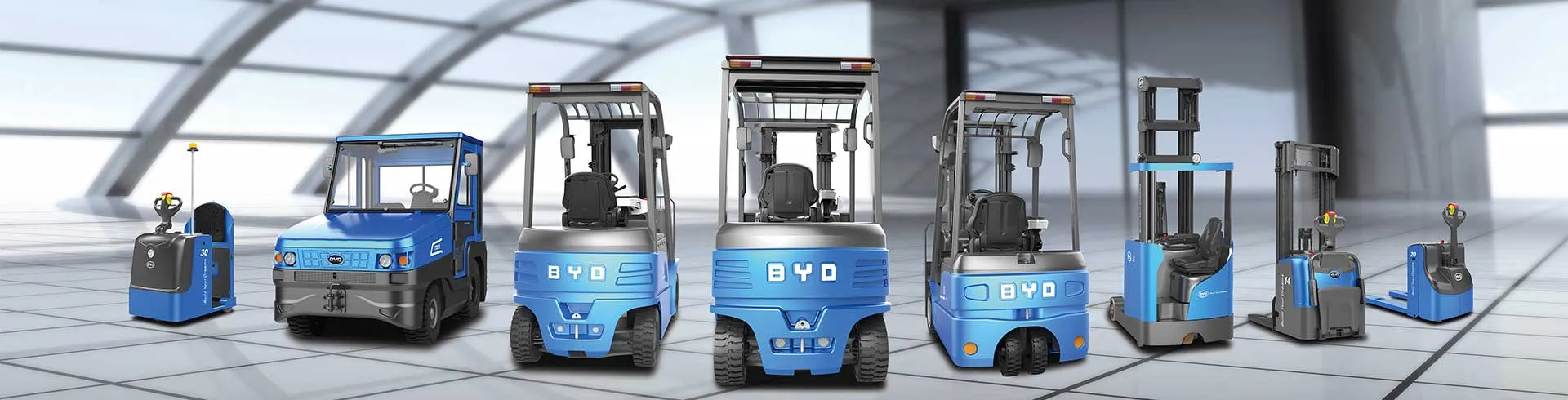
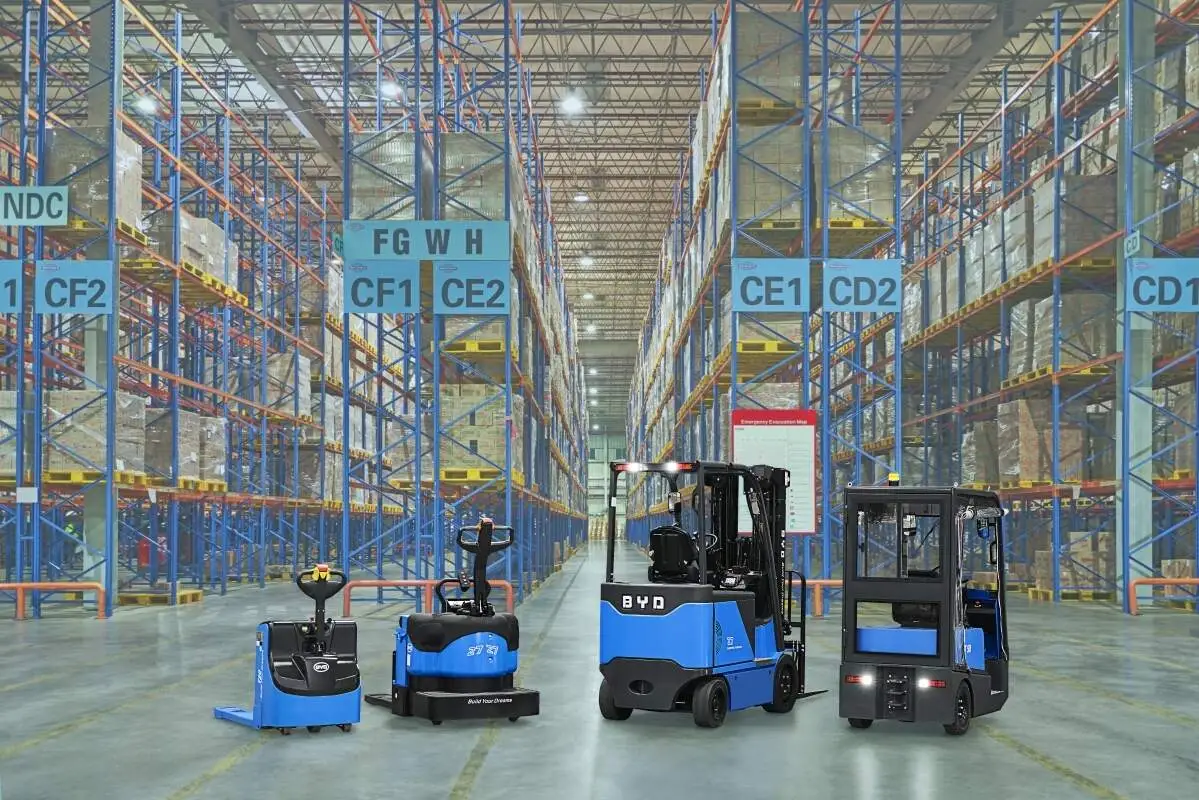
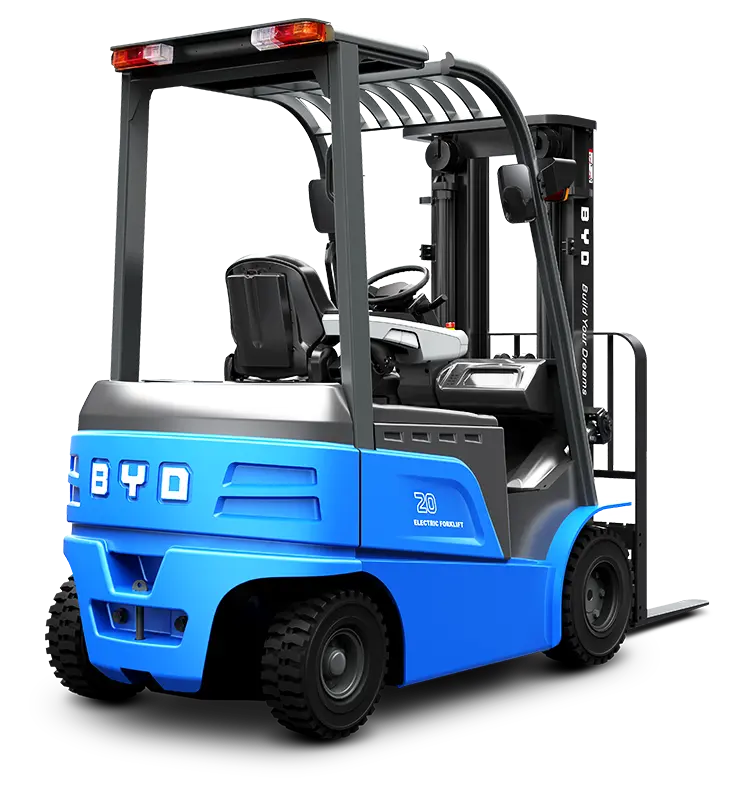
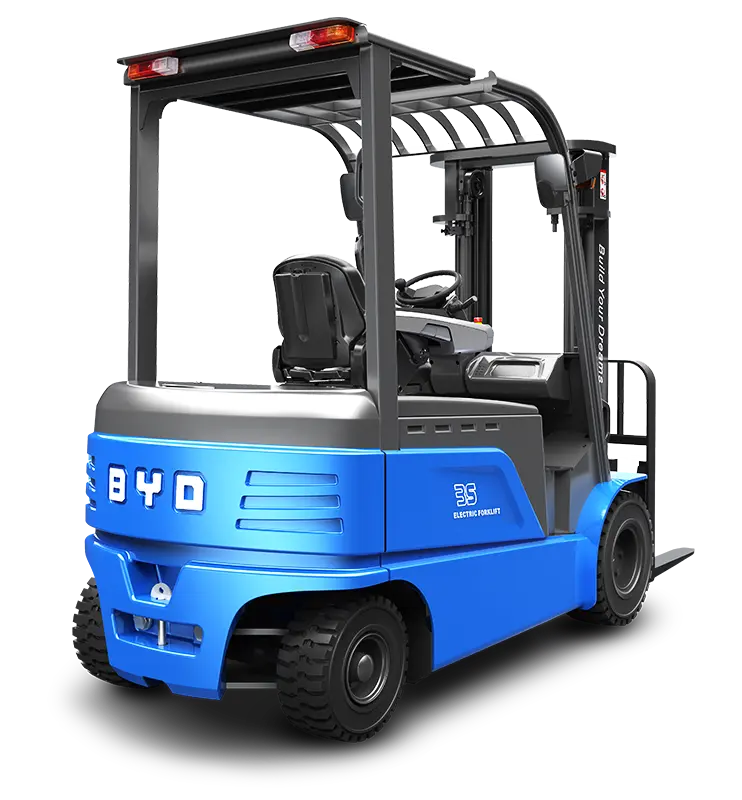
In the automation upgrade process of intelligent warehousing and manufacturing logistics, the AGV transformation of electric forklifts has become a key direction to improve operation efficiency. As the core Control Unit of AGV forklifts, the adaptability of lift drive electronic control components to models directly determines the operating stability, operation accuracy and service life of the equipment. For BYD series electric forklifts, the adaptation of AGV lift drive electronic control components needs to follow scientific consideration logic and standardization processes.
The core of the adaptation work is to first closely follow the basic performance parameters of the model. Different models of BYD electric forklifts have differences in rated load, maximum lifting height, and driving speed, which put forward different requirements for the power output capacity, response speed, and position control accuracy of the electronic control components. For example, heavy-duty models require stronger torque control modules in the electronic control components to support the smooth lifting of heavy-duty goods; while high-lift models need to be equipped with accurate position detection and control systems to avoid problems such as offset and jitter during lifting. At the same time, the operating conditions of the vehicle are also an important consideration, such as indoor storage at room temperature, outdoor complex pavement, cold chain low temperature environment, etc. The protection level and environmental adaptability of the electronic control components need to be accurately matched with the working conditions to ensure stable performance in different scenarios.
In different operation scenarios, the focus of adaptation is also different. In the high-frequency operation scenario of warehouse sorting, BYD's small and medium-sized heavy-duty models are widely used, and the suitable electronic control components need to have fast-responding lifting control logic to shorten the cycle time of a single operation and improve the sorting efficiency. In the manufacturing large-scale handling scenario, the proportion of large-duty models is higher. The electronic control components need to be matched with heavy-duty drive modules, and at the same time integrate overload protection and fault warning functions to ensure the safety of large-scale cargo handling. In the cold chain storage scenario, the electronic control components need to meet the operating standards in low-temperature environments to avoid circuit performance degradation caused by low temperature and ensure the reliability of lifting operations.
A standardized adaptation process is the key to ensuring the adaptation effect. First, a comprehensive model parameter survey should be carried out to collect the hardware configuration, performance indicators and actual operation requirements of the target model; secondly, the selection and matching of the electronic control components should be carried out according to the survey results, and the components with high parameter fit should be screened out; then the real machine simulation test should be carried out to verify the lifting accuracy, power output stability and compatibility of the components under the environment of restoring the real working conditions; finally, the adaptation debugging should be completed according to the test data, and the electronic control program should be optimized to ensure that the components and the various functions of the model are perfectly matched.
Reasonable adaptation of AGV lift drive electronic control components can not only fully tap the automation potential of BYD electric forklifts, improve operation efficiency, but also reduce equipment operation and maintenance costs and prolong service life. During the adaptation process, enterprises need to combine their own operating needs and working conditions, strictly follow the scientific process, and select highly adaptable electronic control components to help the intelligent upgrade of logistics operations.