简体中文
简体中文 Deutsch
 日本語
日本語 한국어
한국어 Tiếng Việt
 Русский
 ไทย
ไทย Bahasa Indonesia
 Bahasa Melayu
 Filipino
 لالعربية
 Français
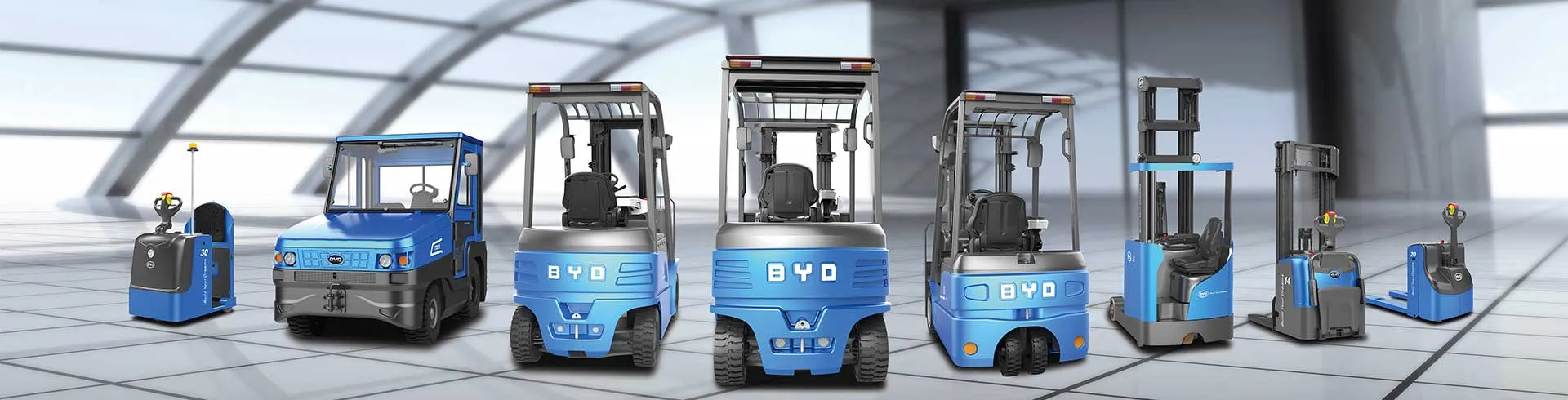
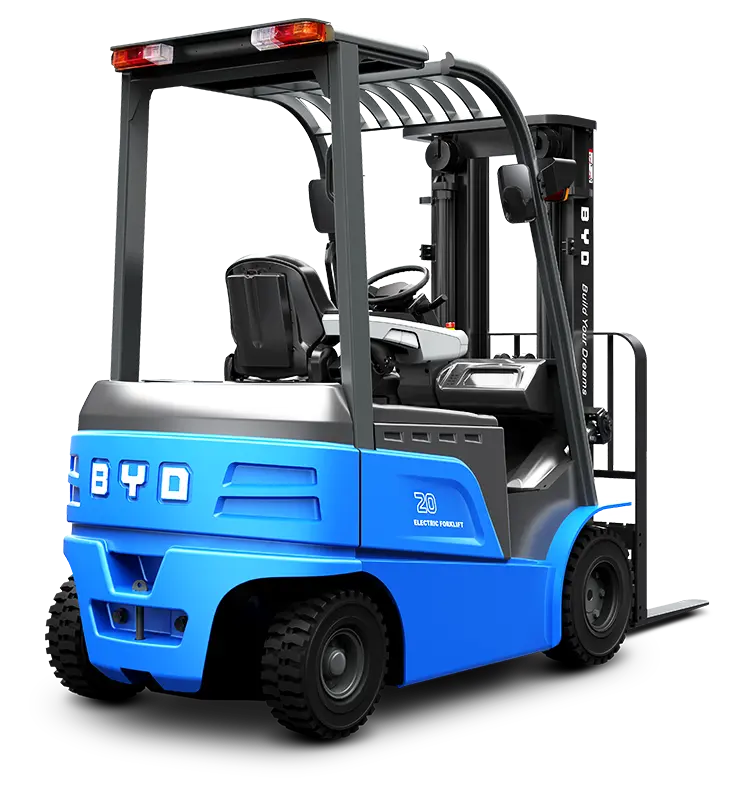
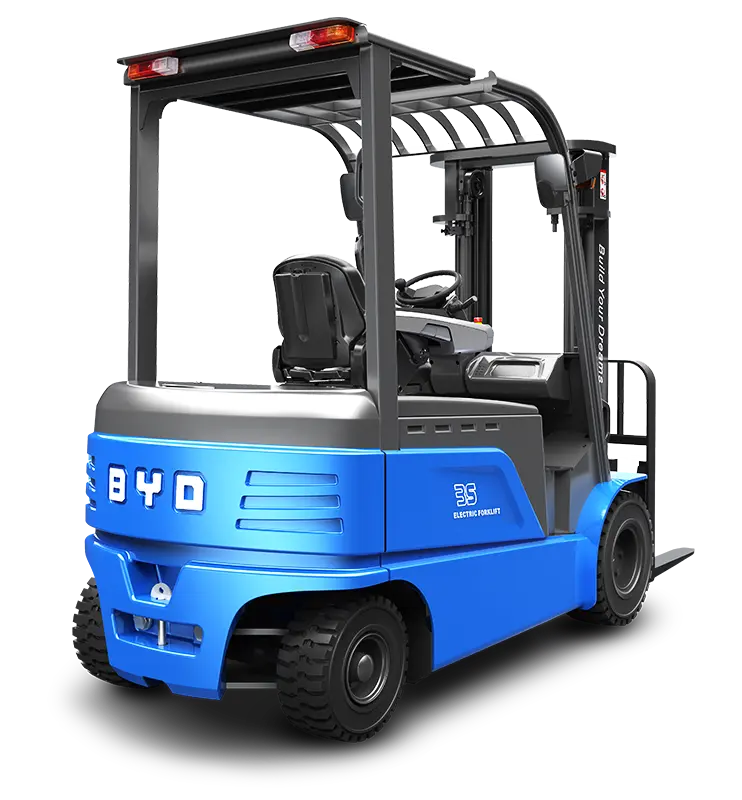
Small light factories in Europe and the United States usually have the characteristics of compact workshop space, moderate material handling capacity, and strict environmental protection requirements. The 1-ton three-point battery forklift has become a popular choice for material handling equipment in such factories due to its own characteristics. When selecting a model, it is necessary to consider the actual needs of the factory from multiple dimensions.
The first is space adaptability. Small light factories often have narrow aisles, and there are many corners and dense equipment placement. The turning radius of the forklift with the three-point structure is smaller, and it can be flexibly turned in a limited space. It is easy to complete the material handling operations in the shelf room and next to the equipment, and avoid affecting the work efficiency due to space restrictions. When selecting a model, it is necessary to measure the width of the aisle in the workshop and the minimum radius of the turning area in advance to ensure that the size parameters of the forklift match the site.
The second is the performance matching. The 1-ton load specification just fits the material handling needs of small light factories. Whether it is parts working in progress or finished product packaging, it can meet the single handling volume requirements in most cases. The battery-driven forklift has zero emissions and low noise, which meets the strict standards of factory environmental protection and working environment in Europe and the United States. At the same time, it does not need fuel replenishment, and can work safely in an indoor closed environment. According to the daily operation time, choose the battery configuration with suitable battery life to avoid frequent charging affecting the production progress.
Another is the convenience of operation and maintenance. European and American factories attach great importance to the operation experience of employees. When selecting models, attention should be paid to the ergonomic design of forklifts, such as comfortable seats, convenient operating handles, and clear dashboards, which can reduce the fatigue of employees working for a long time. In terms of maintenance, the structure of battery forklifts is relatively simple. Daily maintenance mainly focuses on battery maintenance, tire inspection, etc. It is necessary to confirm that the maintenance accessories of forklifts are easy to obtain and comply with local after-sales support systems to reduce downtime and maintenance time.
The last is compliance requirements. Europe and the United States have strict safety standards for industrial equipment. When selecting models, it is necessary to ensure that forklifts are equipped with necessary safety devices, such as anti-dumping systems, emergency braking devices, vision aids, etc. At the same time, they must meet local electrical safety specifications and environmental protection certification requirements to avoid production risks or compliance penalties due to non-compliance of equipment.
Through the comprehensive consideration of the above dimensions, small light factories in Europe, America and other regions can choose a 1-ton three-point battery forklift with strong adaptability and meet demand, improving material handling efficiency and ensuring the smooth progress of production operations.